
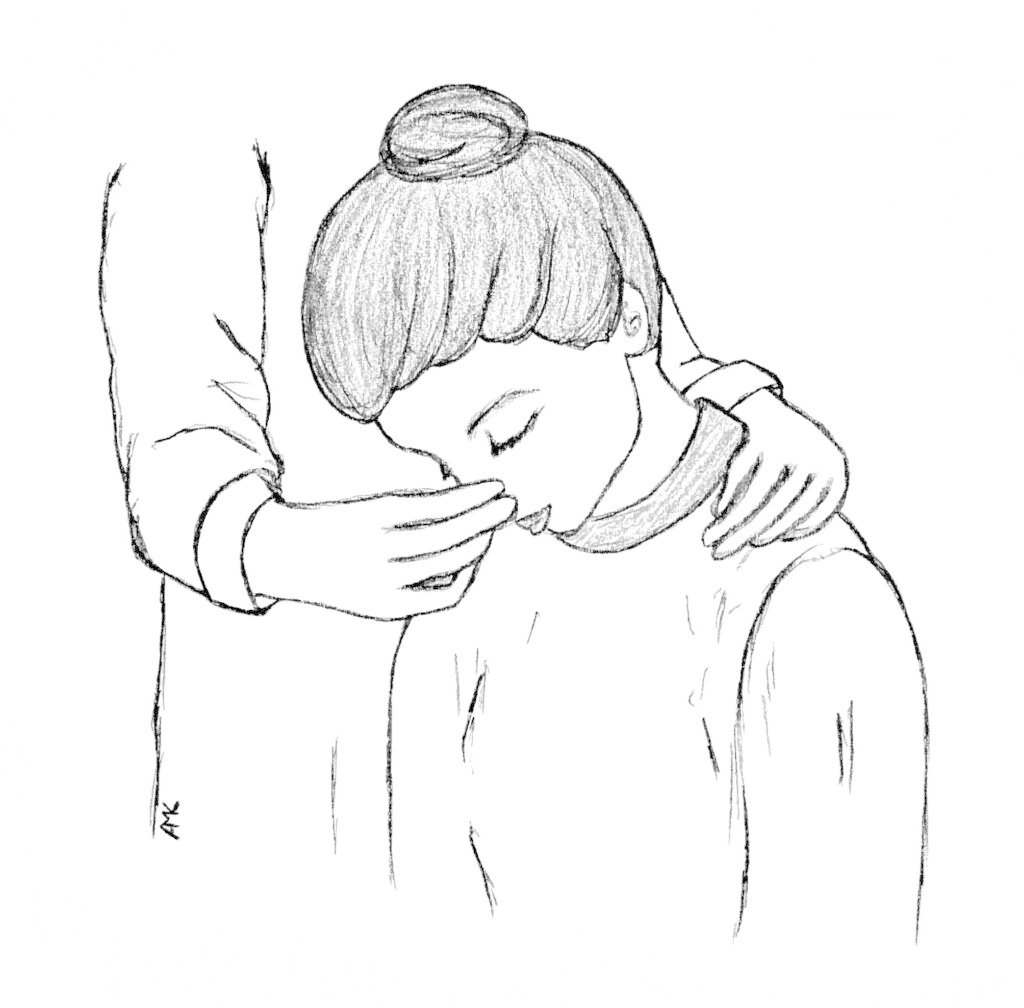
A nosebleed can begin unexpectedly during ordinary activities. Although many episodes are minor, the initial response matters because incorrect positioning or repeated attempts to check the nose can interfere with effective pressure. Some episodes also require urgent medical assessment. This guide explains the correct first aid priorities, how to recognize concerning circumstances, what to do after bleeding stops and how to prepare for a healthcare appointment when nosebleeds recur.
Sit upright, lean forward slightly with your mouth open, and pinch the soft part of the nose immediately above the nostrils continuously for 10–15 minutes while breathing through your mouth. Do not tilt your head backward. Seek emergency assessment if bleeding continues beyond 10–15 minutes, is excessive, follows a blow to the head, or causes weakness, dizziness, difficulty breathing or vomiting from swallowed blood. Call emergency services immediately for severe symptoms.
| Recommended First Aid | Avoid |
|---|---|
| Sit upright and lean forward when safe | Tilting the head backward |
| Pinch the soft nose continuously | Pressing the hard bridge or repeatedly checking |
| Obtain timely emergency help when needed | Delaying care to try improvised remedies |
Why The Inside Of The Nose Can Bleed
The lining inside the nose contains blood vessels close to the surface. These vessels help support the normal functions of the nasal lining, but the tissue can be damaged by irritation or an injury. Bleeding from the nose is called epistaxis. It can arise in different regions, and the location influences how easily it can be controlled.
Many familiar nosebleeds begin near the front of the nose. Other episodes may involve bleeding from deeper regions and may require professional management. A person cannot reliably determine the origin or severity of bleeding merely by observing the amount visible at a nostril. Blood can also move toward the throat, particularly if the head is tilted backward.
Possible contributing circumstances include dryness, irritation, nose picking, forceful nose blowing, injury and particular medicines or medical conditions. Sometimes there is no obvious explanation. The NHS nosebleed guidance discusses common causes and the circumstances that warrant medical assessment.
The immediate task is not to identify the exact vessel or decide whether a medical condition is responsible. It is to position the person appropriately, apply suitable pressure when safe and recognize when help is needed. If bleeding is associated with an accident, other injuries or serious symptoms may take priority.
Our complete blood count guide explains the distinction between platelet numbers and other aspects of bleeding. A recent laboratory result cannot establish that an active nosebleed is harmless. First aid should respond to the actual circumstances.
Start With Safety And A Suitable Position
If someone develops a nosebleed during exercise, household work or travel, stop the activity and move to a safe place. When the person is awake, able to sit and breathing adequately, help them sit upright and lean slightly forward. This position allows blood to move out of the nose rather than encouraging it to flow into the throat.
Keep the mouth open as needed for breathing. Blood reaching the mouth should be spat out into a suitable container or tissue if the person can do so safely. Avoid encouraging the person to swallow blood. Swallowed blood can irritate the stomach and contribute to nausea or vomiting.
If the person becomes faint, loses consciousness or has significant breathing difficulty, call emergency services and follow dispatcher instructions. Do not insist that someone maintain an upright seated position if doing so is unsafe. If the bleeding occurred after a significant head injury, seek emergency assessment rather than treating it as an ordinary spontaneous nosebleed.
A helper can use appropriate protective precautions, including disposable gloves when available, without delaying urgent care. Our first aid kit guide discusses how to make such supplies accessible. Have tissues or a clean container available to catch blood, but do not use them as a reason to repeatedly release nasal pressure.
A suitable position is an important part of the response. Tilting the head backward may reduce the amount of blood visible at the nostril while allowing more blood to reach the throat. That appearance does not mean the bleeding has stopped.
Apply Continuous Pressure To The Soft Part Of The Nose
For an ordinary nosebleed in someone who can safely follow the procedure, use the thumb and finger to pinch the soft, compressible part of the nose just above the nostrils. The bony bridge higher on the nose is not the target. Maintain firm, continuous pressure for ten to fifteen minutes while the person breathes through the mouth.
The Bristol NHS nosebleed information and the national NHS resource describe this approach. The purpose of sustained pressure is to compress the relevant tissues and give bleeding a chance to settle. Avoid repeatedly releasing the pressure to inspect the nostrils. A person who pinches briefly and checks every few seconds has not completed the recommended continuous period.
Use a clock or timer if available. It can help maintain the pressure for the intended duration, especially when the situation is stressful. A helper can operate the timer while the injured person maintains the position and pressure. There is no need to use a specialized device for an ordinary first aid attempt.
If the bleeding is excessive, the person feels weak or dizzy, breathing is difficult or another emergency feature is present, seek emergency assistance immediately. Do not wait for the timer to expire. Continue appropriate first aid while help is arranged when safe.
If bleeding remains after the initial ten to fifteen minutes of correctly applied pressure, obtain emergency assessment under the national NHS guidance. Local pathways can differ, and a clinician may give different instructions for a specific situation. Persistent bleeding should not lead to indefinite cycles of unsupervised home treatment.
Recognize The Signs That Require Urgent Help
The amount of blood visible can be difficult to judge because it may spread across tissues or mix with other fluid. A person who seems significantly unwell needs assessment regardless of an uncertain estimate of blood loss. Do not attempt to calculate the severity of bleeding from the number of tissues used.
The NHS identifies continued bleeding beyond ten to fifteen minutes, excessive bleeding, vomiting after swallowing substantial blood, bleeding following a blow to the head, weakness, dizziness and breathing difficulty as reasons for emergency department assessment. Severe symptoms require emergency services without waiting for routine care.
If a person is taking medicine that affects blood clotting, has a known bleeding disorder or has received a specific medical action plan, follow the relevant guidance and obtain appropriate advice. These circumstances can change the significance of an episode. Do not independently stop a prescribed anticoagulant or antiplatelet medicine.
Children require age-appropriate assessment. Nosebleeds in children younger than two years warrant medical review according to NHS guidance. If a child is unwell, the bleeding is severe or there are other concerning symptoms, seek urgent or emergency help as appropriate. Avoid forcing a child to follow a procedure that interferes with breathing or causes additional distress.
Our pulse oximeter guide explains why consumer device readings cannot exclude a serious emergency. A reassuring number does not replace assessment of breathing difficulty, faintness or other symptoms. Arrange help promptly and use the local emergency number when necessary. Do not drive yourself if bleeding or symptoms make driving unsafe.
Avoid Common Mistakes During A Nosebleed
One common mistake is holding the head backward. Another is pressing the hard upper bridge of the nose rather than the compressible tissue above the nostrils. A third is releasing pressure repeatedly to see whether bleeding has stopped. Each of these practices can make the response less useful.
Avoid stuffing tissues, cotton wool or other household material deep into the nose. This is different from clinician-performed nasal packing, which uses appropriate materials and procedures according to the assessed bleeding source. Improvised packing can irritate tissue and complicate later assessment. Use tissues to catch external blood rather than to probe or repeatedly fill the nostril.
A wrapped cold pack applied externally is sometimes suggested as an additional measure. The national NHS guidance notes that the evidence for reducing blood flow through this measure is not strong. Do not allow it to replace continuous pressure, delay medical help or cause cold injury. Ice should not be applied directly to sensitive skin.
Do not attempt to cauterize the inside of the nose with chemicals, heat or another household method. Medical cautery is a procedure performed by an appropriately trained professional after assessment. The fact that a treatment may be used in a healthcare setting does not make it suitable for home use.
Our burn first aid guide illustrates the importance of using evidence-informed measures instead of improvised remedies. The practical objective during a nosebleed is to provide appropriate pressure, protect breathing and obtain the required level of care. Adding more products does not necessarily improve the response.
Look After The Nose After Bleeding Stops
Once an uncomplicated nosebleed has stopped and professional assessment is not otherwise required, avoid disturbing the area unnecessarily. The NHS advises taking precautions for the following twenty-four hours, including avoiding nose blowing, nose picking, hot drinks, alcohol, heavy lifting and strenuous exercise. Avoid picking scabs and lying flat during this period.
A clot or healing area can be disturbed by irritation. Checking inside the nostril repeatedly or attempting to remove material from it may contribute to renewed bleeding. Follow any specific discharge instructions provided by a healthcare professional, particularly after a procedure or if the episode required hospital care.
If the person needs to sneeze, follow the advice provided for their circumstances rather than forcefully trying to suppress it. Someone with a nasal condition or recent nasal surgery may have specific instructions that differ from general advice.
For a fictional adult whose uncomplicated nosebleed stops, the remaining day’s exercise plan can be adjusted. They postpone a demanding lifting session and choose ordinary rest while following the recommended precautions. Our rest-day guide discusses why missed workouts do not need to be compensated for by extra demands later.
If bleeding starts again, repeat the appropriate initial response when safe and seek help according to the circumstances and any professional instructions. Recurrent or persistent bleeding deserves assessment. A previous episode that stopped successfully does not establish that every subsequent episode can be managed in the same way. Pay attention to new symptoms, the duration of bleeding and the person’s medical circumstances.
Reduce Irritation Without Unnecessary Treatments
Dryness and irritation can contribute to some nosebleeds, but not every episode has the same cause. A practical approach is to avoid unnecessary trauma to the nasal lining, including picking the nose and forceful nose blowing. If the person regularly experiences nasal discomfort, consider discussing it with a healthcare professional or pharmacist.
Some people may benefit from a suitable nasal moisturizing product recommended for their circumstances. Do not insert an unfamiliar cream, oil or chemical into the nose simply because it is promoted as a home remedy. Products can have different ingredients, precautions and intended uses. If a clinician prescribes a cream following assessment, follow the instructions and discuss relevant allergies.
Environmental conditions can also influence comfort. If indoor air is very dry, consider appropriate measures to improve the environment. Any device used for humidification should be maintained according to its instructions. Avoid assuming that changing indoor humidity will resolve every recurrent nosebleed.
If you use prescribed nasal medicines, ask the relevant professional about correct application technique when irritation occurs. Do not stop a prescribed product or increase its use independently. The reason for treatment and the specific medication matter.
Our respiratory illness guide discusses the overlap of common nasal and respiratory symptoms. Nasal congestion can lead to more frequent blowing or irritation, but bleeding may have other causes. Persistent congestion, pain, unusual discharge or repeated bleeding deserves appropriate assessment rather than an assumption that dryness is the only explanation.
Discuss Recurring Nosebleeds With A Healthcare Professional
Repeated episodes can justify a medical review even when each individual nosebleed stops. Prepare a concise record of what happened, approximately how long bleeding lasted, whether there was a clear injury or irritation and whether other symptoms occurred. Note the measures used and whether they were effective.
Bring a complete list of medicines and relevant supplements. Some medicines can affect bleeding risk, and a clinician may need to consider whether further investigation is appropriate. Do not conceal a medicine because it was obtained without a prescription. Similarly, mention a known bleeding disorder or a history of unusual bruising or bleeding elsewhere.
Blood pressure may be relevant to the broader assessment, but a nosebleed cannot establish a diagnosis of hypertension. A high reading during an unsettling event also needs context. Our home blood pressure guide describes standardized measurements when monitoring has been recommended. Do not change blood pressure medicine because of a nosebleed without professional advice.
A clinician may examine the nose, consider blood tests or recommend a referral depending on the history and findings. If the person has fatigue, shortness of breath or other possible symptoms of anemia, discuss these rather than automatically taking iron. Our iron nutrition guide explains why suspected deficiency needs appropriate assessment.
Use the appointment to clarify what to do if another episode occurs and when to seek help. If a specific treatment has been prescribed, ask how it should be used and what precautions apply. A general first aid article cannot identify the cause of recurrent bleeding.
Prepare A Simple Household Response Plan
A practical plan begins with knowing where the first aid supplies are located and how to contact the appropriate emergency services. The household does not need a specialized nosebleed kit for every ordinary situation. Tissues, basic protective supplies and a way to measure time can support the initial response.
Make sure household members understand the essential positioning and pressure technique. A helper can assist with timing, provide a container for external blood and arrange professional care when indicated. If someone has a prescribed bleeding-related emergency plan, retain it in a suitable accessible place and follow its instructions.
Our handwashing guide explains how hand hygiene fits into ordinary care. After assisting with a nosebleed, dispose of contaminated materials appropriately and clean affected surfaces using suitable methods. Do not apply household disinfectants to nasal tissue.
For a person who has received professional treatment, preserve the discharge instructions and relevant appointment details. Our appointment preparation guide explains the usefulness of clear medical records and symptom information. Ask about individualized precautions if returning to work, exercise or travel.
The objective is a clear, manageable response rather than a collection of complicated techniques. For an ordinary episode, correct positioning and uninterrupted pressure are central. For persistent bleeding, serious symptoms or a concerning injury, timely medical care takes priority. Understanding both parts of the decision can help a household respond without relying on unsafe remedies or delaying appropriate assistance.
If recurrent bleeding raises other health concerns, our preventive health checklist explains why medical follow-up should be individualized rather than based on a single symptom.
Frequently Asked Questions
Where should I pinch my nose?
Pinch the soft part immediately above the nostrils, rather than the hard bridge.
How long should I hold pressure?
Maintain pressure continuously for 10–15 minutes. Seek emergency assessment if bleeding continues, and seek immediate help sooner for severe symptoms.
Should I tilt my head backward?
Lean forward while seated when safe, so blood does not flow unnecessarily toward the throat.
Can I put tissues inside the nose?
Avoid improvised deep packing. Use tissues to catch external blood.
What if I am taking a blood thinner?
Obtain appropriate medical advice and follow your prescribed action plan. Do not stop the medicine independently.
Can I exercise immediately afterward?
NHS guidance advises avoiding strenuous exercise and heavy lifting for 24 hours after bleeding stops, unless individual advice differs.
What if nosebleeds happen frequently?
Arrange medical review to investigate potential causes and clarify a future response plan.
When is a nosebleed an emergency?
Persistent or excessive bleeding, head injury, breathing difficulty, weakness, dizziness or vomiting substantial swallowed blood requires emergency assessment.
Featured image: TenarAiuola, BleedingNose, CC BY-SA 3.0; resized or cropped for display under the same license.

General first aid education, not an individual medical diagnosis or treatment plan. Seek appropriate emergency help for concerning bleeding.
Discover more from The Secret
Subscribe to get the latest posts sent to your email.