
Cycling can provide an enjoyable way to become more physically active, travel short distances or develop endurance. A useful beginner routine begins with control of the bicycle, a suitable route and a manageable workload rather than a demanding distance target. This guide explains how to prepare for a first ride and develop a sustainable routine.
Choose a bicycle that fits you and suits your route, wear an appropriately fitted helmet, check tires, brakes and equipment, and practise control in a safe area. Begin with short, easy rides on a suitable route and gradually increase duration when comfortable. Follow local road rules and seek medical advice when health conditions or symptoms affect exercise safety.
| Stage | Illustrative Focus |
|---|---|
| Week 1 | Safe handling and short easy rides |
| Week 2 | Repeat a comfortable route |
| Week 3 | Modestly increase duration if appropriate |
| Week 4 | Maintain or adjust according to recovery |
Choose Cycling For A Clear Purpose
Cycling can be used for recreation, transportation or structured exercise. These purposes may overlap, but each can influence the type of bicycle, route and equipment that are most suitable. A person riding to nearby shops has different practical requirements from someone planning long rides on rural roads.
For general fitness, the primary objective can be to establish a repeatable activity. The duration and relative effort of a ride can matter more than its distance. Hills, wind, road surface and stops can all affect the amount of work required to cover the same distance. A short ride on a demanding route is not necessarily easier than a longer one on level ground.
Our exercise intensity guide discusses the difference between absolute workload and relative effort. A pace that feels comfortable to an experienced cyclist may feel demanding to a beginner. Choose an effort that reflects your own abilities rather than attempting to follow another rider’s speed.
Cycling is often described as a low-impact activity because it does not involve repeated foot strikes in the same way as running. However, it still involves muscular effort, joint movement and potential risks associated with falls or traffic. A person with pain, a recent injury or an exercise restriction may need individualized advice.
If outdoor riding is impractical, another suitable aerobic activity can be useful. Our walking guide describes an accessible alternative. The most useful form of activity is one that fits your health, environment and ability to participate consistently.
Select A Bicycle Suited To Your Route
A hybrid bicycle can provide a practical upright riding position and versatility for many paved routes. A road bicycle is often designed for efficient riding on pavement, while a mountain bicycle generally has features suited to uneven terrain. Designs vary, so these categories should not replace assessment of the specific bicycle and intended use.
For a beginner planning short rides on relatively smooth surfaces, comfort, predictable control and manageable gearing may matter more than aerodynamic performance. A bicycle that is difficult to mount, stop or handle may discourage use even if it has attractive specifications.
An electric-assist bicycle can provide additional assistance in some circumstances. It may also be heavier and have different acceleration, braking and battery requirements. Check local rules regarding its classification and use. Practise with an appropriate assistance level in a safe setting before riding in traffic.
Consider the total cost, including a helmet, necessary maintenance, suitable lighting and other equipment. A used bicycle can be a practical option if its condition and suitability are properly assessed. Avoid buying a damaged or poorly fitting bicycle simply because it is inexpensive. A qualified mechanic can help inspect important components.
Our fitness equipment comparison illustrates why a purchase should reflect actual usage and maintenance needs. The same principle applies to cycling equipment. Select the bicycle according to your intended route, ability and access to servicing rather than assuming the most expensive design will automatically produce better fitness results.
Set Up Bike Fit And Riding Position
An appropriate bike fit can help a rider control the bicycle and maintain a comfortable riding position. Frame size, saddle height, handlebar position and reach all influence that experience. Manufacturers may provide size guidance, but a height chart alone cannot account for every person’s proportions and mobility.
A common starting point is a saddle position that allows a slight bend in the knee near the bottom of the pedal stroke without requiring excessive hip movement. This observation is not a complete fitting procedure. The appropriate setting depends on the bicycle, rider and intended use. A beginner may also need to consider confidence when starting and stopping.
Do not adjust several components dramatically at once. Make changes within the manufacturer’s instructions and observe whether the bicycle remains comfortable and controllable. If a seatpost has a minimum insertion marking, respect it. Seek professional help when an adjustment exceeds your knowledge or when safety-critical fasteners need attention.
Check whether the rider can comfortably reach and operate the brakes and other controls. A person who needs to stretch excessively to reach a brake lever may have difficulty responding quickly. A bicycle fit should support safe handling, not simply create a particular appearance.
Our movement control guide describes why individual proportions influence exercise positions. Cycling fit similarly depends on the actual person. Persistent knee, hip, hand or back discomfort should not be ignored. Review the bicycle setup and seek appropriate healthcare advice when symptoms persist or recur.
Inspect Equipment Before A Ride
Before leaving, check that the tires are in suitable condition and inflated within the applicable equipment limits. An underinflated or damaged tire can affect handling, while inappropriate pressure can create other problems. Use the manufacturer’s specifications rather than relying on a universal pressure figure.
Check both brakes and make sure the bicycle responds predictably during a controlled test in a safe area. Confirm that wheels and other components are securely fitted. Look for visible damage, loose parts or unexpected movement. If a safety-critical issue is suspected, arrange repair rather than attempting a demanding ride to see whether the problem resolves.
A suitable helmet should be correctly fitted and meet the relevant safety requirements for your location and intended use. The NHTSA bicycle safety resource describes helmet fitting and road safety considerations for U.S. riders. Local regulations may differ, and a helmet cannot prevent every injury.
Check lights, reflectors and visibility equipment as appropriate for conditions and local rules. Carry a suitable means of contacting help and consider the route’s access to assistance. A simple repair kit may be useful when you have learned how to use it safely, but do not assume that carrying tools establishes mechanical competence.
Our first aid preparedness guide describes the value of suitable supplies and emergency information. Cycling preparation involves both personal safety and equipment condition. If you cannot establish that the bicycle is safe to operate, postpone the ride until the problem is addressed. A missed session is preferable to knowingly using unsafe equipment.
Practise Handling And Choose A Suitable Route
Before riding in a demanding environment, practise starting, stopping, turning and using the gears in a safe area away from traffic. Use a surface that offers predictable traction and sufficient room. If you are learning to ride for the first time, a qualified instructor can provide practical guidance.
Learn to apply the bicycle’s brakes smoothly according to the equipment and training instructions. Practise looking around while maintaining control, signaling where appropriate and selecting gears before a steep change in workload. Do not attempt unfamiliar maneuvers for the first time in busy traffic.
Select a beginner route with manageable gradients, suitable surfaces and predictable access to a return route. A protected cycling facility or other appropriate low-traffic area may be more suitable than a complicated road network. Follow applicable local traffic rules and signs. Shared paths can include pedestrians and other users, so adjust speed and behavior to the environment.
A fictional rider plans a short loop near home. They choose a familiar route with several options for returning early instead of committing to an isolated route before knowing their endurance. The objective is to establish a positive, manageable experience rather than cover a predetermined distance.
Our stair climbing guide discusses matching the activity to a safe setting. Cycling adds equipment and traffic considerations, making route selection particularly important. If weather, visibility or surface conditions become unsuitable, postpone the ride or choose a safer alternative. Safety decisions should take priority over meeting a training schedule.
Plan A Manageable First Month
For an otherwise healthy adult with appropriate riding skills, an initial ride might involve ten to fifteen minutes of easy cycling on a suitable route. This example is not a prescription. Someone with limited exercise capacity may need a shorter period, while another person may already tolerate more.
During the first week, repeat a manageable route and observe how the body responds. During the following weeks, consider adding a few minutes to a ride only when the previous workload remains comfortable and recovery is adequate. Maintain an easy pace while increasing duration. Do not simultaneously make the route much steeper and increase the distance.
The NHS physical activity guidance includes cycling among ways to be more active. General adult aerobic recommendations can provide a longer-term framework, but a beginner does not need to complete the entire weekly target immediately.
Our progression guide explains why gradual changes help make the workload easier to evaluate. The relevant variables in cycling include time, terrain, gearing, pace and frequency. Changing one principal variable at a time can help the rider identify what influences effort.
Allow rest or easier activities between demanding sessions. Our rest-day guide explains how recovery fits into a broader program. If you experience persistent discomfort or unusual fatigue, reduce the workload and obtain appropriate advice if necessary. It is reasonable to repeat the same enjoyable route for several weeks without increasing its length. A sustainable routine is a meaningful result in itself.
Use Effort And Gearing Rather Than Chasing Speed
For a comfortable aerobic ride, consider whether you can speak in sentences when it is safe to assess speech. Moderate effort generally allows conversation, while vigorous effort may require frequent pauses for breathing. The relative intensity guide explains how to interpret these observations without treating them as a medical test.
Gearing allows the rider to change the mechanical relationship between pedaling and wheel movement. An easier gear can make it more manageable to pedal uphill or start moving. A harder gear may be appropriate at another speed or gradient. The goal is to select a gear that permits control and a suitable effort, rather than always using the hardest setting.
Cadence describes pedal revolutions per minute. A beginner does not need to achieve one exact cadence during every ride. Find a comfortable rhythm and avoid forcing a very demanding gear because the bicycle appears to move faster in it. As experience develops, a coach may help select more specific training targets.
Our resting heart rate guide explains how medical circumstances and device limitations can influence pulse observations. A wearable can supply additional exercise information, but do not let a target distract from controlling the bicycle. Follow individualized monitoring instructions when applicable.
Wind and hills can change the relationship between speed and effort. If a ride feels unusually demanding, adjust the pace or route instead of maintaining a number from a previous session. A beginner’s goal is controlled riding and suitable exercise, not achieving a particular average speed regardless of conditions.
Prepare For Weather, Hydration And Recovery
Check conditions before leaving and consider how temperature, precipitation, wind and visibility may affect the ride. A familiar route can become more demanding or hazardous during unusual weather. Choose suitable clothing and sun protection, and avoid unnecessary exposure to conditions that exceed your abilities or equipment.
Plan access to suitable drinking water, particularly for longer rides or warm conditions. For short comfortable activity, ordinary fluids may be sufficient. The appropriate amount depends on the person, workload, environment and medical circumstances. Avoid treating a fixed number of bottles as a requirement for every ride.
Our dehydration guide discusses fluid-related symptoms and the distinction between dehydration and heat illness. Stop activity and obtain appropriate help when concerning symptoms occur. Confusion, collapse or severe illness in the heat requires emergency care.
For ordinary recovery, sufficient nourishment and rest are useful considerations. Our protein guide and meal planning guide describe aspects of a varied food pattern. A beginner does not automatically need specialty supplements or sports products for every short ride.
Check for discomfort associated with the saddle, hands or other contact points. A minor setup adjustment may be helpful in some circumstances, but persistent numbness or pain should not be treated as a normal requirement. Review the fit and obtain professional advice if necessary.
If chest pain, fainting, severe breathing difficulty or other emergency symptoms develop during a ride, stop safely and obtain immediate assistance. Never attempt to ride home through serious symptoms merely because you have already covered part of the route.
Measure Progress And Combine Cycling With Other Activity
A simple ride log can include route, duration, approximate effort and relevant conditions. If distance and speed are useful, record them without treating every outing as a time trial. A change in wind, terrain or traffic can affect these values even when fitness remains similar.
Imagine an adult who begins with a twelve-minute ride on a comfortable route. After several weeks, they can repeat it with greater confidence and less fatigue. They may increase the duration or continue using the same route because it fits their schedule. Both are reasonable decisions according to their goal.
Our strength training guide explains the role of suitable resistance exercise within a balanced activity pattern. Cycling contributes aerobic activity and challenges certain muscles, but it does not automatically address every strength or balance objective. Combine it with other appropriate activities when useful.
Our fitness tracker guide describes how device features and limitations can influence a purchase. Tracking equipment is optional. A simple clock and a record of comfortable riding time may provide enough information for a beginner.
Review the practical factors that affect consistency. Is the bicycle accessible? Is the chosen route enjoyable? Can maintenance be arranged when necessary? Does the schedule permit recovery? Adjusting those factors may be more useful than buying another accessory.
A successful cycling routine begins with safe control, suitable equipment and realistic goals. Gradually build endurance when recovery and circumstances allow, and keep the broader purpose of the activity in view. Fitness development should support participation rather than turn every ride into a test of speed or distance.
Frequently Asked Questions
How long should a beginner ride?
Start with a manageable duration; ten to fifteen minutes can be an illustrative starting point for a healthy beginner with riding skills.
What type of bike is best?
Choose a suitably fitted bicycle according to the route, control requirements, budget and available maintenance.
Is a helmet necessary?
Wear a properly fitted helmet meeting applicable safety standards and follow local rules.
Should beginners focus on distance or speed?
Prioritize control, comfortable duration and relative effort.
Can cycling replace all strength training?
Cycling does not automatically address every strength or balance goal. Include other appropriate activity.
How should I progress?
Repeat comfortable rides, then change one main workload variable gradually when recovery is adequate.
What if I develop pain while riding?
Stop or reduce the activity, review the setup and seek appropriate assessment for persistent or concerning symptoms.
- NHTSA: Bicycle Safety
- NHTSA: Learn To Bike Safely
- NHS: How To Be More Active
- CDC: Adult Physical Activity Guidelines
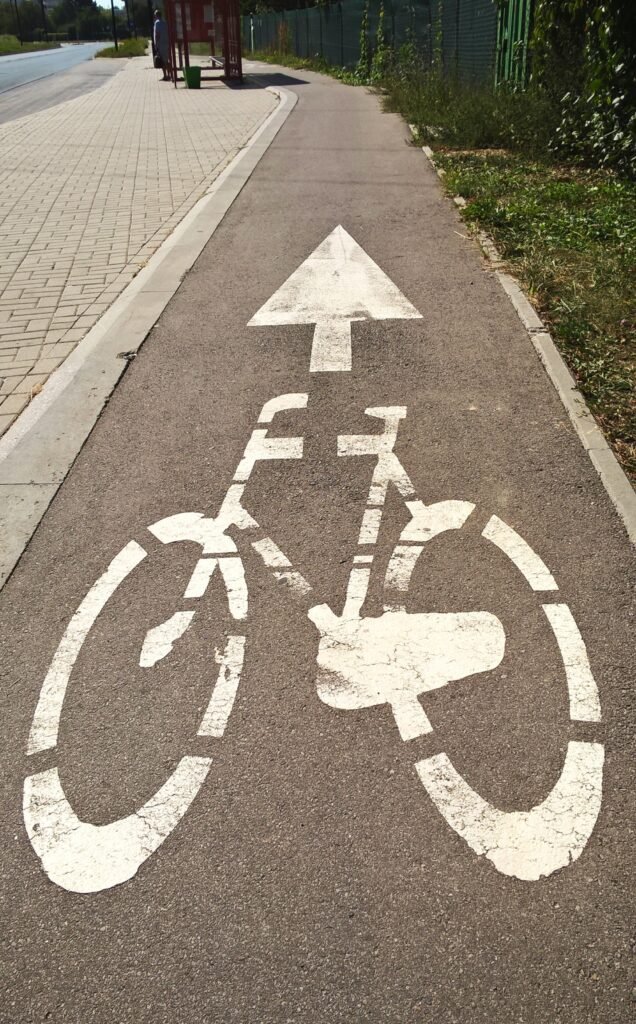
Featured image: BogTar201213, Cycling Along This Path, CC BY-SA 4.0. Resized/cropped under the same license.

General fitness education; follow local road rules, equipment instructions and individualized medical advice.
Discover more from The Secret
Subscribe to get the latest posts sent to your email.