
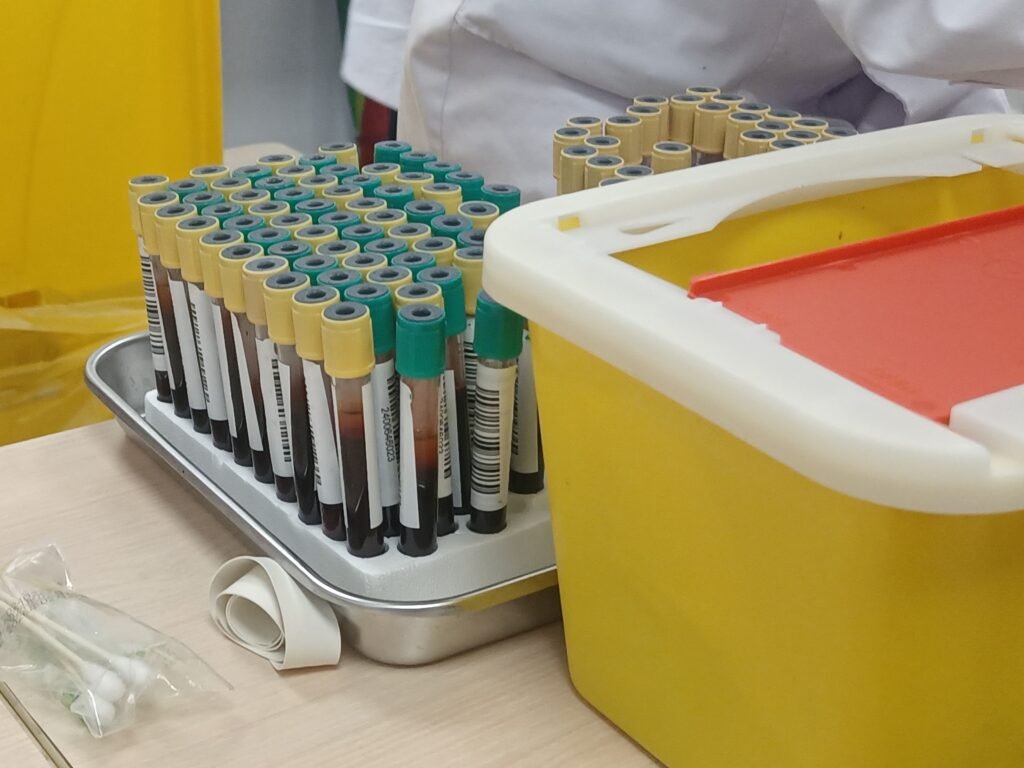
A fasting blood glucose test measures glucose concentration after a specified period without caloric intake. It is commonly used in diabetes screening and assessment, but the result must be interpreted according to the test method, preparation and clinical circumstances. This guide explains what the measurement means, how to prepare and how healthcare professionals use it alongside other information.
A diagnostic fasting plasma glucose test generally requires at least eight hours without calories. Under commonly used U.S. criteria for nonpregnant adults, fasting plasma glucose below 100 mg/dL is in the normal category, 100–125 mg/dL is in the prediabetes category, and 126 mg/dL or higher meets a diabetes diagnostic threshold. Confirmation is generally required unless there is unequivocal hyperglycemia. A home glucose meter is not a substitute for diagnostic laboratory testing.
| U.S. Diagnostic Category | Fasting Plasma Glucose | Approximate mmol/L |
|---|---|---|
| Normal | Below 100 mg/dL | Below 5.6 |
| Prediabetes | 100–125 mg/dL | 5.6–6.9 |
| Diabetes Threshold | 126 mg/dL or above | 7.0 or above |
Understand What Fasting Plasma Glucose Measures
Glucose is a sugar that serves as an important energy source for the body. Its concentration in the blood is regulated by multiple processes, including the activity of insulin and other hormones, the release of glucose by the liver and the uptake of glucose by tissues. These processes continue even when a person has not recently eaten.
A fasting plasma glucose measurement examines the glucose concentration in the liquid component of an appropriately processed blood sample after the required fasting period. It provides a snapshot under specified conditions. Unlike a measurement intended to reflect longer-term glucose exposure, it describes the concentration at the time the sample is collected.
Our preventive screening guide explains why the purpose of a test matters. A clinician may request fasting glucose to evaluate diabetes risk, investigate relevant symptoms or assess a previous finding. Monitoring an established condition can involve different procedures and individual targets.
Do not assume that glucose should become absent from the blood during fasting. The body needs to maintain an appropriate supply even between meals. Nor does a higher result establish that a person has recently eaten a particular amount of sugar. Glucose regulation is affected by several physiological and clinical factors.
The MedlinePlus blood glucose test resource describes different glucose measurements and their uses. Knowing which test was performed is essential before applying any reference category. A fasting laboratory sample, random glucose measurement and home reading should not automatically be interpreted in the same way.
Prepare For The Required Fasting Period
A fasting plasma glucose test generally requires at least eight hours without caloric intake. Follow the actual instructions given by the laboratory or healthcare professional, because the appointment may include other tests with their own preparation requirements. Ask for clarification if the instructions differ from what you expected.
Plain water is generally permitted during an ordinary fasting blood test unless you have received different medical instructions. Do not assume that a sweetened drink, milk, flavored beverage or food is compatible with the fasting requirement. If you accidentally consume something during the fasting period, tell the laboratory rather than reporting that you completed the fast.
Medication decisions require particular care. A person taking insulin or another glucose-lowering medicine may need specific instructions to avoid unsafe changes in glucose during fasting. Contact the responsible healthcare professional in advance. Do not skip, delay or adjust prescribed treatment independently.
Our liver test guide explains why preparation instructions should reflect the tests actually ordered. A combined laboratory panel may involve more than one requirement. Keep the appointment instructions available and ask which medicines and supplements can be taken as usual.
If fasting produces concerning symptoms, follow any existing medical plan and seek appropriate advice. Do not continue a potentially unsafe fast merely to complete the appointment. For an adult with a condition requiring regular meals or individualized medication timing, another testing arrangement may be more appropriate. The goal is to obtain a clinically meaningful sample without creating unnecessary risk.
Read The Common U.S. Diagnostic Categories
The National Institute of Diabetes and Digestive and Kidney Diseases describes commonly used diagnostic categories for nonpregnant adults. A fasting plasma glucose below 100 milligrams per deciliter falls within the normal category. A value from 100 through 125 milligrams per deciliter falls within the prediabetes category. A value of 126 milligrams per deciliter or higher meets the fasting glucose threshold used for diagnosing diabetes.
These categories apply to the appropriate diagnostic laboratory test. They should not be applied directly to every finger-stick measurement or a glucose observation collected after a meal. Pregnancy has separate diagnostic approaches and thresholds, and different clinical circumstances can require other criteria.
Confirmation is generally necessary when diagnosing diabetes in the absence of unequivocal hyperglycemia. A clinician may repeat the test or use another appropriate diagnostic test. Two results can provide complementary evidence according to established clinical criteria. Do not independently diagnose yourself from a single mildly or substantially abnormal result.
A fictional adult receives a fasting laboratory result of 108 mg/dL. It falls into the commonly used U.S. prediabetes category, but the appropriate discussion includes preparation, medical history, other results and possible follow-up. Another person already receiving diabetes treatment may have a different reason for testing and an individualized management target.
Our thyroid test guide discusses the general distinction between a laboratory reference category and a diagnosis. For fasting glucose, the diagnostic thresholds have a defined clinical purpose, but their application still requires appropriate testing and interpretation. Consult the clinician who ordered the test.
Understand Milligrams Per Deciliter And Millimoles Per Liter
Glucose reports commonly use milligrams per deciliter, abbreviated mg/dL, or millimoles per liter, abbreviated mmol/L. A numerical value in one unit cannot be compared directly with a number expressed in the other. In approximate glucose conversion, dividing mg/dL by eighteen gives mmol/L, and multiplying mmol/L by eighteen gives mg/dL.
For example, a value of 90 mg/dL corresponds to approximately 5.0 mmol/L. A value of 126 mg/dL corresponds to approximately 7.0 mmol/L. Small differences can arise because of rounding, so retain the original laboratory result when discussing it with a healthcare professional.
The U.S. prediabetes fasting threshold of 100 mg/dL is approximately 5.6 mmol/L. The upper end of 125 mg/dL is approximately 6.9 mmol/L. Not every international organization uses identical thresholds for intermediate glucose categories, making it important to identify the clinical framework being applied.
Our nutrition label guide explains why measurement units must remain attached to numbers. This principle is particularly important with laboratory glucose because confusing the units can create a serious misunderstanding.
When maintaining a record, include the date, test type, result, unit and any relevant preparation information. Do not replace the original measurement with a rounded conversion if precise interpretation is needed. A clinician can evaluate the actual report and applicable criteria.
The conversion formula changes only the unit in which the same concentration is expressed. It does not convert a fasting value into an average glucose measurement or establish a relationship with an individual A1C result. Different tests answer different questions even when they involve glucose.
Compare Fasting Glucose With Other Diabetes Tests
Several tests are available for diagnosing or investigating diabetes. Fasting plasma glucose measures a concentration after fasting. Hemoglobin A1C provides information related to glucose exposure over the preceding months, although particular conditions affecting red blood cells can influence its interpretation. An oral glucose tolerance test evaluates responses to a standardized glucose load under specified conditions.
Random plasma glucose measurements may also be clinically relevant, especially when symptoms of hyperglycemia are present. A clinician selects the appropriate test according to the actual circumstances. Not everyone needs all available tests at every appointment.
A person can have results that do not fall into identical categories across different tests. The measurements reflect different aspects of glucose regulation and can be affected by different sources of variation. The clinician can determine whether repeat or alternative testing is required to clarify the findings.
Our vitamin B12 nutrition guide describes why certain medical circumstances can influence red blood cell formation. Such circumstances may matter when clinicians decide which glucose-related test is most informative, although a nutritional concern alone does not establish that a particular A1C result is unreliable.
The NIDDK diabetes tests and diagnosis resource describes the different diagnostic methods. Use the actual test name when discussing results. A fasting glucose value should not be interpreted using an A1C percentage threshold.
A useful question after receiving results is whether another test would answer a remaining clinical question. This approach is more informative than requesting every possible measurement without understanding its purpose. The healthcare professional can explain why a particular combination is appropriate.
Recognize Factors That Can Influence A Result
Glucose regulation can change during illness, stress or treatment with certain medicines. Recent physical activity, the timing of food intake and other circumstances may also influence the result. The effects depend on the individual and the situation. Do not assume that any abnormality can be explained away by one possible factor.
An appropriate laboratory procedure includes specified sample collection and handling. A diagnostic measurement should be obtained through a suitable laboratory method. When a result seems inconsistent with other findings, the clinician can consider preparation, biological variation, measurement circumstances and whether repeat testing is indicated.
A fictional person attends an appointment while recovering from an infection. They tell the clinician about the recent illness rather than deciding that the glucose result is automatically invalid. Another person has recently started a prescribed medicine. They report the medication name and timing so the healthcare professional can consider its relevance.
Our exercise intensity guide explains why a workload can vary substantially according to activity and circumstances. If you have been given instructions about exercise before a test, follow them. Avoid an unusually demanding workout simply to try to alter the result.
The preparation goal is not to obtain the lowest possible glucose value. Extreme dietary changes, prolonged fasting or unapproved medication adjustments can create risk and reduce the usefulness of an assessment. Follow the instructions for the actual test and describe relevant changes honestly.
If a previous result was within the normal category, it does not guarantee that a new abnormality is harmless. Conversely, one flagged result should not automatically lead to an extensive self-imposed treatment plan. Appropriate follow-up addresses the actual result and circumstances.
Distinguish Home Monitoring From Diagnostic Testing
Home glucose meters and continuous glucose monitoring systems can provide useful information for people who need glucose monitoring. Their intended uses, measurement sites and limitations differ from laboratory fasting plasma glucose testing. A glucose meter typically uses a small blood sample, while a continuous monitor generally estimates glucose in interstitial fluid using a sensor.
A device reading can be influenced by technique, equipment condition, timing and other factors. Follow the instructions for the specific device and the monitoring plan provided by the healthcare professional. Do not use a consumer device to independently confirm or exclude a diabetes diagnosis.
A person who has been advised to monitor glucose may have individualized targets and instructions for responding to readings. These are not necessarily identical to diagnostic thresholds for a person who has not been diagnosed. A treatment target is chosen for the relevant medical circumstances.
Our home monitor guide describes why a device’s intended use and technique matter. Similar principles apply to glucose monitoring, but the actual equipment and safety considerations are different.
Do not share lancets or other personal blood-sampling equipment in ways that create infection risks. Follow device and healthcare instructions for hygiene and disposal. If the device appears faulty, seek appropriate guidance rather than repeatedly changing medication based on inconsistent results.
A person with concerning symptoms should follow their individualized care plan and obtain medical help when indicated. Serious symptoms should not be ignored because a home reading appears reassuring. A home observation can support appropriate care, but it is not a substitute for clinical assessment.
Recognize Symptoms That Require Medical Attention
Increased thirst, increased urination, unexplained weight loss, persistent fatigue and other changes can occur in people with elevated glucose, although these symptoms have several possible causes. Arrange medical assessment when symptoms persist or are concerning. Diabetes screening is not the same as evaluation of an acute illness.
Severe vomiting, abdominal pain with marked illness, deep or difficult breathing, confusion, difficulty waking or collapse can be warning signs of a serious medical emergency. Obtain immediate emergency assistance rather than arranging a routine fasting appointment. A person experiencing severe symptoms should not delay care in order to complete a fasting period.
People receiving medicines that can lower glucose may have individualized instructions for recognizing and treating hypoglycemia. Follow the prescribed plan and seek help when needed. A person who is unresponsive or cannot swallow safely should not be given food or drink by mouth; call emergency services and follow dispatcher instructions.
Our dehydration guide explains why changes in thirst and urination need context. Drinking additional water alone is not a treatment for every cause of those changes. A person with relevant medical symptoms may need professional investigation.
When contacting a healthcare professional, provide the actual measurement, time, unit, whether the sample was fasting and any associated symptoms. Include relevant medicines and recent illness. If a laboratory or clinician has already communicated an urgent abnormality, follow their instructions promptly. Do not rely on a general educational category to determine that waiting is safe.
Plan Follow-Up And Practical Health Decisions
After receiving a fasting glucose result, ask what category applies, whether confirmation is needed and which follow-up measures are appropriate. A clinician can consider risk factors, other medical findings and any current treatment. The plan may include further testing, individualized nutrition guidance, suitable activity or medical treatment according to the circumstances.
Our meal planning guide offers practical approaches to maintaining accessible, varied meals. Our walking guide explains how to begin with manageable activity when appropriate. General habits can be relevant to health, but a person with diagnosed diabetes or a medication-related risk should follow individualized guidance.
Do not respond to a test by eliminating every carbohydrate-containing food or beginning an extreme fasting routine. Appropriate nutrition depends on medical needs, medicines, food access and preferences. A qualified dietitian or healthcare professional can help select a sustainable approach when changes are recommended.
Keep a copy of the original laboratory report and the agreed follow-up plan. Record the date of any repeat test and relevant preparation instructions. If questions remain, clarify them with the healthcare team rather than relying on an isolated number.
Understanding fasting glucose helps you participate in screening and assessment. The measurement is valuable because it answers a defined question under specified conditions. Its limitations are equally important. Follow appropriate diagnostic confirmation, obtain timely care for concerning symptoms and make health decisions using the broader clinical picture rather than treating a single glucose value as a complete description of your health.
Frequently Asked Questions
How long should I fast?
A diagnostic fasting plasma glucose test generally requires at least eight hours without calories; follow the actual instructions.
Can I drink plain water?
It is usually permitted for ordinary fasting blood tests unless you have been instructed otherwise.
What fasting glucose level is in the U.S. prediabetes category?
100–125 mg/dL for the appropriate laboratory test in nonpregnant adults.
Does one value of 126 mg/dL establish diabetes?
It meets the fasting diagnostic threshold, but confirmation is generally required without unequivocal hyperglycemia.
Can a home meter diagnose diabetes?
Diagnostic assessment requires appropriate clinical laboratory testing.
Should I change insulin or other medicines before fasting?
Obtain individualized instructions; do not adjust prescribed treatment independently.
Do pregnancy tests use the same categories?
Pregnancy has separate diagnostic criteria and approaches.
- NIDDK: Diabetes Tests And Diagnosis
- NIDDK: Diabetes And Prediabetes Tests
- MedlinePlus: Blood Glucose Test
Featured image: Fumikas Sagisavas, Blood Test Samples, CC0 1.0. Resized for display; illustrative laboratory samples.

General health education, not individualized diagnosis or treatment.
Discover more from The Secret
Subscribe to get the latest posts sent to your email.