
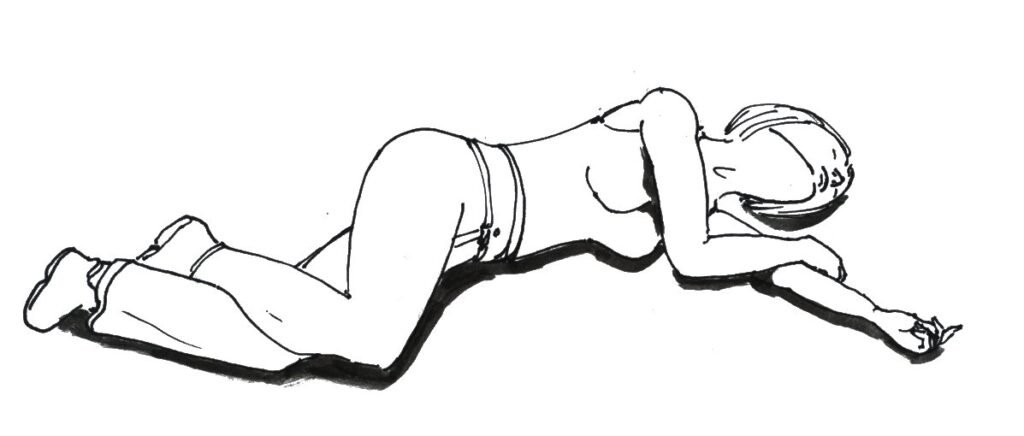
Fainting, also called syncope, is a brief loss of consciousness that can occur when blood flow to the brain temporarily decreases. However, a bystander cannot safely assume that every collapse is an ordinary faint. The first priority is to determine whether the person responds and is breathing normally, then obtain appropriate help. This guide explains the immediate response and the circumstances that require medical assessment.
If you feel faint, lie down safely and raise your legs if appropriate. If someone collapses, check scene safety, responsiveness and normal breathing. Call emergency services immediately if they are unresponsive and not breathing normally, and begin CPR with dispatcher guidance. If they are unresponsive but breathing normally, obtain emergency assistance, maintain their airway and follow guidance about the recovery position. A person who faints during exercise, while lying down, with chest pain, or without full recovery needs emergency assessment.
| Situation | Immediate Priority |
|---|---|
| Feels faint but responsive | Help them lie or sit safely; assess symptoms |
| Unresponsive and breathing normally | Emergency assistance, maintain airway, monitor breathing, recovery position when appropriate |
| Unresponsive and not breathing normally | Emergency services, CPR and AED with dispatcher guidance |
| Collapse during exercise or concerning symptoms | Emergency medical assessment |
Understand Fainting And Other Causes Of Collapse
Syncope refers to a temporary loss of consciousness associated with a transient reduction in blood flow to the brain, followed by spontaneous recovery. A simple faint may occur in response to a trigger such as prolonged standing, pain or heat. Blood pressure regulation and other physiological processes can contribute. Some causes, however, can involve significant medical conditions.
A collapse can also arise from mechanisms other than syncope. Cardiac arrest, seizure, low blood glucose, injury, stroke or other medical emergencies can affect responsiveness. A bystander often does not have enough information to distinguish these possibilities immediately. The initial response should focus on responsiveness and breathing rather than attempting to diagnose the event by its appearance.
The NHS fainting guidance describes common circumstances and warning signs. It recommends medical review after a faint because determining the cause is important, even when the person recovers.
Our resting heart rate guide explains why rate and rhythm observations need clinical context. A pulse reading or a watch alert cannot reliably establish the cause of a collapse. Do not delay emergency assistance while trying to obtain a device reading.
Recognizing the distinction between faintness and unresponsiveness helps a responder act appropriately. A person who is awake and describing dizziness may be able to follow instructions to lie down. Someone who has become unresponsive needs a different assessment. Maintain a clear focus on immediate safety and obtain professional assistance when the situation is uncertain or serious.
Recognize Early Warning Symptoms
Some people notice lightheadedness, nausea, sweating, warmth or changes in vision before a faint. The symptoms may develop during prolonged standing, after rising quickly or in another recognizable situation. Not everyone experiences a warning, and similar symptoms can occur with other conditions.
If you feel faint, stop what you are doing and get into a safe position. Lie down if possible, with your legs raised when appropriate. If you cannot lie down, sit safely rather than continuing to stand. The immediate objective is to reduce the risk of falling and allow an opportunity for recovery while considering whether medical help is needed.
If you are operating machinery, cycling or performing another activity that requires control, stop safely and seek assistance. Our cycling guide emphasizes safe stopping and avoiding continued activity through concerning symptoms. Do not attempt to complete a journey merely because the destination is nearby.
A person who has recovered fully, is alert and can swallow safely may be able to drink a suitable fluid when appropriate. Our dehydration guide explains why fluid-related symptoms depend on the cause and circumstances. Avoid assuming that every faint results from inadequate water intake.
Chest pain, a sudden severe breathing problem, unusual heart sensations, difficulty speaking or moving, or other serious symptoms require emergency assessment. Do not delay care to determine whether lying down improves every symptom. If faintness recurs or is unexplained, seek professional advice even if each individual episode seems to settle. An early warning is useful because it permits a safer response, not because it confirms a harmless cause.
Check Scene Safety, Responsiveness And Breathing
Before approaching someone who has collapsed, check for immediate dangers such as traffic, electrical hazards or machinery. Move only as necessary to protect the person or provide essential care. If the collapse followed an accident, consider possible injuries and follow emergency dispatcher instructions.
Check whether the person responds by speaking clearly to them and using an appropriate gentle stimulus. If they do not respond, call for help and activate emergency services. Open the airway and check whether breathing is normal according to recognized first aid training or dispatcher guidance. Occasional gasping is not normal breathing and can occur during cardiac arrest.
Do not spend time searching for a pulse if you are an untrained bystander and the person is unresponsive and not breathing normally. Begin CPR as directed by the emergency dispatcher. Arrange for an AED to be brought when available and follow its prompts. Our adult choking guide discusses another emergency in which unresponsiveness requires a transition to resuscitation. The potential causes differ, but the initial recognition of abnormal breathing remains important.
If the person is breathing normally but remains unresponsive, obtain emergency assistance, keep their airway open and monitor their breathing. Place them in a suitable recovery position when appropriate and safe, following dispatcher instructions and considering injuries. If breathing becomes abnormal, the response must change.
These checks should be practical and prompt. A person who appears to have fainted may recover rapidly, but do not wait for recovery when breathing is absent or abnormal. The initial assessment determines the urgent response, while healthcare professionals investigate the underlying cause.
Help A Person Who Recovers Promptly
If a person regains responsiveness and is breathing normally, allow them to remain in a comfortable safe position. For an apparently uncomplicated faint without relevant injuries, lying on the back with legs raised may be appropriate. Avoid forcing the person to stand immediately, even when they say they feel better.
Speak calmly and check whether they are fully alert and able to communicate normally. Ask about symptoms before the collapse and any pain or injury that occurred during the fall. Do not assume that a quick recovery excludes an important medical problem.
The NHS notes that a person who has fainted will commonly regain consciousness within about thirty seconds. Failure to wake within one minute is one of its emergency warning signs. That time frame is not permission to delay calling for help when the person is unresponsive or not breathing normally, or when other concerning features are present.
Our wound first aid guide explains how to manage uncomplicated injuries and recognize more serious wounds. A fall during fainting can cause a head injury or another injury that deserves assessment independently of the reason for the faint.
Once the person is fully awake and can swallow safely, appropriate food or fluid may be considered according to their circumstances and any medical instructions. Do not force them to drink or give anything orally while they are drowsy or unresponsive. If the episode involved a prescribed emergency action plan, follow it.
Encourage medical review even after apparently complete recovery. A professional can consider the circumstances, medical history and any indications for investigation. Helping the person recover safely is the immediate priority; determining why the episode occurred is a separate task.
Understand When To Use The Recovery Position
The recovery position is intended to help maintain an open airway for an unresponsive person who is breathing normally. It is not the correct response to someone who is unresponsive and not breathing normally. In that situation, activate emergency services and begin CPR according to dispatcher instructions.
If an unresponsive person is breathing normally and it is safe to reposition them, recognized first aid guidance may direct you to place them on their side, with a stable body position and an open airway. Support the head and maintain a position that allows breathing and permits fluid to drain from the mouth. Learn the practical method in a recognized first aid course.
Suspected spinal injury, other trauma and pregnancy can influence positioning. Follow emergency guidance rather than attempting unnecessary movements. The NHS notes that a pregnant person, particularly in later pregnancy, may be better positioned on their side. Individual circumstances matter, and emergency professionals can guide the immediate response.
Stay with the person and reassess breathing regularly. A person who is initially breathing normally may deteriorate. If their breathing becomes absent or abnormal, follow dispatcher instructions for CPR and an AED. Do not assume that placing someone in a recovery position completes the emergency response.
Our home preparedness guide explains the value of emergency contact information and practical training. The recovery position is a physical skill, and a single illustration cannot demonstrate every aspect of assessing and repositioning a person. A first aid course can teach when the technique is appropriate and how to adapt it safely. During an actual event, follow the advice of the emergency service.
Recognize Emergency Warning Signs
Fainting during exercise or while lying down deserves emergency assessment under NHS guidance. These situations may have different implications from a brief episode after prolonged standing. Chest pain, a pounding or irregular heartbeat, severe breathing difficulties or other serious symptoms are also concerning.
Call emergency services if the person does not wake promptly, does not recover fully, develops speech or movement difficulties, has seizure-like activity or has sustained a serious injury. If they are unresponsive and not breathing normally, begin the appropriate resuscitation response immediately. Do not wait for a particular symptom to appear.
A fictional adult collapses during a workout and later says they feel well enough to continue. The helper should not treat recovery as permission to resume exercise. Arrange emergency assessment because the collapse occurred during exertion. Our exercise intensity guide emphasizes that perceived effort and device readings cannot exclude a medical emergency.
Another person becomes briefly unresponsive after standing in a warm room. They recover promptly but have a new difficulty speaking clearly. That symptom requires emergency assessment regardless of the apparently familiar trigger. The actual findings should determine the response rather than the responder’s initial impression.
Do not drive yourself to medical care after a concerning episode when it may be unsafe. Contact emergency services or obtain appropriate transport according to their guidance. Give the dispatcher accurate information about the timing, circumstances, responsiveness, breathing and any injuries. A first aid response should protect the person and support timely professional assessment, rather than attempting to determine that a collapse is harmless based on a plausible explanation.
Consider Triggers Without Assuming A Diagnosis
Some fainting episodes occur in circumstances associated with a reflex response, such as pain, emotional distress or prolonged standing. Other episodes can be related to a decrease in blood pressure upon standing, medication effects or medical conditions. The presence of a possible trigger does not establish the diagnosis.
A person who has had recurrent symptoms when rising from a chair should describe the timing to a healthcare professional. The clinician may consider blood pressure regulation and other factors when deciding which assessments are appropriate. Our blood pressure monitoring guide discusses why measurement conditions are important. Do not conduct an unsupervised standing test if there is a risk of falling or fainting.
Insufficient food or fluid, heat and illness can be relevant in some circumstances. Our glucose testing guide explains why glucose measurements have specific purposes and limitations. A person who takes glucose-lowering medicines may have an individualized emergency plan; follow it and obtain help when necessary. Do not assume that giving sugar is appropriate for every collapse.
Tell the clinician about medicines, supplements and recent changes. Do not stop prescribed medicines independently because you suspect a connection. The professional can determine whether a treatment review or additional investigation is needed.
A careful account of triggers is useful because it narrows the clinical question. It should not become a reason to postpone assessment or repeat a potentially dangerous situation to see whether the same symptoms occur. If a particular activity has led to a collapse, seek guidance about returning to it safely.
Prepare For Medical Assessment After An Episode
If possible, record information from the person and any witnesses. Include the approximate time and duration, body position, activity, preceding symptoms, injuries and the nature of recovery. A witness may be able to describe events that the person does not remember. Preserve these observations without assigning a diagnosis.
The healthcare professional may ask whether the person experienced chest discomfort, palpitations, breathing problems or neurological changes. They may also ask about prior episodes, relevant conditions, medicines and family history. Investigations depend on the findings and can include assessment of circulation, heart rhythm or other clinical factors.
Our medical appointment guide explains the value of an accurate medicine list and relevant reports. For an episode of collapse, also report any first aid provided and whether emergency services assessed the person. If a clinician has already advised urgent follow-up, follow that advice.
Ask whether any temporary restrictions apply to activities such as driving, operating machinery or strenuous exercise. Rules governing driving after loss of consciousness differ by location and medical circumstance. Follow the applicable medical and regulatory requirements rather than assuming that a recovered episode has no implications.
Do not use a normal consumer device reading as a reason to cancel an indicated evaluation. Some conditions are intermittent, and an observation taken later may not capture the original event. A useful follow-up plan clarifies which investigations are relevant, what symptoms should trigger immediate help and when a person can return to activities. The goal is to address the actual cause where possible and reduce avoidable risk during future episodes.
Build A Practical Prevention And Preparedness Plan
A prevention plan depends on the cause and the person’s medical circumstances. Someone with an identified trigger may receive advice about changing position gradually, maintaining an appropriate fluid intake or using other measures. Follow the individualized plan rather than treating a general first aid article as a universal prescription.
Our hydration guide discusses the importance of appropriate fluid access and medical restrictions. Our meal planning guide offers practical ways to maintain ordinary nourishment. These habits may be relevant to general well-being, but they do not resolve every cause of fainting.
If a clinician has recommended specific physical counter-pressure maneuvers for a diagnosed reflex fainting pattern, learn how and when to use them safely. Do not remain standing while attempting a technique if you are at risk of falling. Moving to a safe position and obtaining help when indicated takes priority.
For households and workplaces, identify the local emergency number and the location of an AED where applicable. Consider recognized training in first aid and CPR. A trained responder should still follow current dispatcher guidance during an actual incident. Keep individualized emergency action plans accessible for people who need them.
The central distinction is between recognizing a possible faint and assuming that a collapse is harmless. Check responsiveness and normal breathing, act immediately for serious findings, support safe recovery when appropriate and arrange medical review. A useful plan allows for both ordinary preventive measures and the possibility that a new episode requires a more urgent response. Safety and appropriate assessment should remain the focus.
Frequently Asked Questions
What should I do if I feel about to faint?
Lie down safely and raise your legs if appropriate, or sit if lying down is not possible. Seek help for concerning symptoms.
Should I give an unconscious person water?
Do not give food or drink to someone who is unresponsive or unable to swallow safely.
What if the person is gasping?
Gasping is not normal breathing. Activate emergency services and follow CPR instructions.
When is the recovery position appropriate?
For an unresponsive person who is breathing normally, when repositioning is safe; follow dispatcher guidance.
Is fainting during exercise concerning?
Yes. Obtain emergency assessment even if the person appears to recover.
Does a quick recovery prove the cause was harmless?
No. Medical review is important after fainting.
Should I stop medication after a faint?
Do not stop prescribed medicines independently. Discuss the event with the responsible clinician.
- NHS: Fainting
- American Heart Association: Adult Basic Life Support
- American Red Cross: First Aid Steps
- Gloucestershire Hospitals NHS Foundation Trust: Fainting (Vasovagal Syncope)
Featured image: Rama, Recovery Position, CC BY-SA 3.0 France. Resized under the same license. Recovery-position illustration, not a complete assessment procedure.

General first aid education; follow emergency dispatcher instructions and obtain recognized practical training.
Discover more from The Secret
Subscribe to get the latest posts sent to your email.