
A cut from a kitchen utensil or a graze after a fall may look straightforward, but the appropriate response depends on the amount of bleeding, the depth and location of the wound, contamination and other injuries. This guide explains first aid for uncomplicated wounds, the signs that require emergency treatment and how to maintain a suitable dressing during healing. Serious injuries require prompt professional care rather than an extended attempt at home treatment.
Make sure the scene is safe. For ordinary external bleeding without an embedded object, apply firm direct pressure with clean gauze or cloth. Once bleeding stops, rinse a small wound with clean water and cover it with a sterile dressing. Call emergency services immediately for life-threatening or uncontrolled bleeding, major injuries or serious symptoms. Do not remove an embedded object; apply pressure around it and seek urgent professional care.
| Wound Circumstance | Priority |
|---|---|
| Minor cut without embedded object | Control bleeding, clean and protect |
| Deep or gaping wound | Professional assessment |
| Embedded object | Do not remove; emergency assessment |
| Life-threatening bleeding | Call emergency services; appropriate direct pressure and dispatcher instructions |
Distinguish A Superficial Graze From A Serious Wound
A graze, also called an abrasion, involves damage to the surface of the skin. It can occur when skin rubs against a rough surface. A cut involves a break in the skin caused by a sharp edge or another force. Some cuts are superficial, while others extend into deeper structures that require professional examination.
The amount of visible blood does not always indicate how deep an injury is. A puncture may have a relatively small opening but extend deeper than it appears. An injury to an area containing important nerves, blood vessels or tendons can affect function even if the skin opening seems limited. A contaminated wound or bite also has considerations beyond the immediate amount of bleeding.
Before deciding whether home care is appropriate, consider how the injury occurred and whether there are associated symptoms. An ordinary shallow scrape after a minor fall is different from a wound caused by broken glass, a significant collision or a sharp object penetrating tissue. Do not probe a wound to determine its depth.
Our home first aid kit guide explains how to prepare basic supplies. A suitable kit makes uncomplicated care easier, but its contents cannot establish that an injury is minor. If bleeding is severe, movement or sensation is affected, or the mechanism is concerning, arrange professional assessment.
The purpose of first aid is to reduce immediate risk and support the next appropriate step. It is not to close every wound or determine whether deeper structures are intact.
Make The Area Safe And Assess Immediate Priorities
Before helping someone, check for hazards that could injure the helper or the affected person. Move away from broken glass, moving machinery, traffic or other dangers when possible without causing additional harm. Do not enter an unsafe environment simply because someone is bleeding.
If the person is unresponsive, not breathing normally or has another life-threatening condition, call emergency services and follow dispatcher instructions. Life-threatening bleeding also requires immediate action. A small wound can wait while more serious concerns are addressed. The American Red Cross first aid steps explain the importance of scene safety, assessment and obtaining appropriate help.
For a minor injury, prepare a clean dressing and use appropriate hand hygiene. If assisting another person, wear suitable disposable gloves when available. Avoid unnecessary contact with blood. Protective precautions should not create a delay in responding to a life-threatening situation.
A fictional person cuts their hand while preparing food. They turn off the relevant appliance safely and move away from the work area. They check whether the wound is bleeding heavily, whether anything is embedded and whether they can move their fingers normally. A helper obtains suitable supplies and arranges medical help if needed.
This sequence helps avoid focusing only on the appearance of the wound while overlooking the circumstances. A safe response begins with protecting the people involved, recognizing emergencies and obtaining assistance promptly. Cleaning and dressing come after immediate threats have been addressed.
Use Direct Pressure To Control External Bleeding
For an ordinary wound without an embedded object, place a clean dressing or suitable folded cloth over the bleeding area and apply steady, firm pressure. Avoid repeatedly lifting the dressing to inspect the wound. Continuous pressure gives the body’s normal bleeding-control processes an opportunity to work.
If blood passes through the initial dressing, follow applicable first aid guidance. The NHS advises placing another dressing or cloth over the first while maintaining pressure. Do not repeatedly remove the material that is in contact with the wound. The correct response to severe bleeding may require additional measures according to emergency instructions and first aid training.
Call emergency services immediately for bleeding that is heavy, spurting or difficult to control, or when other serious symptoms are present. Do not wait for a particular number of minutes if the bleeding appears life-threatening. The Red Cross life-threatening bleeding guidance emphasizes immediate pressure and emergency help. Additional interventions such as appropriate tourniquet use are best learned through recognized practical training; follow dispatcher guidance.
If an object is embedded in the wound, avoid pressing directly on the object or pulling it out. Apply suitable pressure around the injury when safe and obtain emergency assessment. Movement of an embedded object could increase tissue damage or bleeding.
Our nosebleed guide describes a different pressure technique for nasal bleeding. First aid methods depend on the injury’s location and circumstances. Do not assume that a method appropriate for a small cut will be appropriate for every bleeding emergency.
Clean An Uncomplicated Wound After Bleeding Stops
When a small wound is no longer bleeding and there are no features requiring immediate professional care, rinse it using clean running tap water or other suitable drinking-quality water. Appropriate rinsing can remove loose dirt from a superficial injury. Do not use a forceful jet to investigate a deep wound or attempt to wash an embedded object out.
Clean the skin surrounding the wound with soap and water, taking care not to introduce unnecessary irritants into the injured tissue. Follow appropriate professional instructions if the wound requires a different cleaning method. Avoid applying household cleaning products, corrosive substances or unverified remedies to broken skin.
If visible material remains after gentle rinsing, obtain medical advice rather than digging into the wound with an instrument. Some contamination requires professional removal. A deep or heavily contaminated injury may require assessment even when the bleeding has stopped.
The NHS cuts and grazes guidance explains how uncomplicated wounds can be cleaned and covered. It also identifies situations in which professional care is necessary. The goal of washing is to remove accessible contamination from a minor wound, not to perform a clinical procedure at home.
Our food safety guide emphasizes preventing contamination in the kitchen. If an injury occurs while preparing food, clean any affected surfaces appropriately and discard contaminated food. Do not resume preparation before controlling the bleeding and protecting the wound.
A suitable cleaning routine should be simple and gentle. If the wound looks more extensive than expected, causes substantial pain or contains material that cannot be removed safely, seek appropriate assessment.
Choose A Suitable Dressing And Protect The Skin
A dressing protects the wound from external contamination and unnecessary contact. An adhesive bandage can be useful for a small injury when its pad covers the affected area and the surrounding skin tolerates the adhesive. Larger superficial wounds may require a different sterile dressing secured with suitable tape or a bandage.
Choose a dressing that is appropriate for the size and location of the wound. The adhesive portion should not stick directly to the injured surface. Avoid using loose fibers or materials that may adhere to the wound. If a dressing becomes stuck, follow professional guidance about safe removal rather than tearing it away.
A covering should remain secure without restricting circulation. Avoid tightly wrapping a finger, hand or limb. If a bandage causes new numbness, unusual coldness, discoloration or increased pain, obtain appropriate advice and ensure it is not constricting the area. Significant symptoms require timely assessment.
For example, a fictional adult has a small scrape on the lower leg. After appropriate cleaning, they choose a sterile dressing large enough to cover it without placing adhesive across the scrape. They check whether clothing rubs against the covering and adjust the arrangement to reduce unnecessary friction.
Our beginner squat guide describes how exercise can be adjusted to suit the circumstances. If a wound is affected by an exercise position or equipment contact, postpone or modify the activity according to the injury and medical advice. Maintaining a planned workout is less important than protecting injured tissue.
A dressing is not a method for concealing a wound that requires further evaluation. A large, deep, gaping or otherwise concerning cut may require clinical closure and other care.
Know When Medical Assessment Is Needed
Obtain immediate emergency help for uncontrolled or life-threatening bleeding, a very large or deep wound, serious injuries involving the face or hand, loss of sensation or movement, or an embedded object. Severe symptoms such as collapse, difficulty breathing or altered alertness require emergency care regardless of the wound’s appearance.
Some wounds require prompt assessment even when there is no obvious emergency. Examples include bites, punctures, significantly contaminated wounds and injuries that may need professional closure. If you cannot clean the wound adequately or are uncertain about its extent, obtain medical advice rather than applying a dressing and assuming the issue is resolved.
The location can matter. A cut over a joint may be repeatedly disturbed by movement. A wound involving the hand can affect structures important for grasping and dexterity. Our grip function guide explains why ordinary hand tasks depend on several aspects of function. Do not use a grip test to investigate a freshly injured hand.
People with conditions that affect healing, circulation or immunity may need earlier professional assessment. Relevant medicines can also influence bleeding or wound management. Provide the healthcare team with your actual medicine list and follow individualized instructions.
Do not attempt to stitch, staple or glue a significant wound closed using household supplies. Professional assessment determines whether closure is appropriate and whether additional treatment is needed. A contaminated wound may require a different approach from a clean injury.
When arranging care, describe how the injury occurred, when it happened, whether bleeding has been controlled and whether movement or sensation is affected. If you have already applied first aid, explain what was done. These observations help the healthcare team determine the appropriate response.
Understand Tetanus And Bite-Related Considerations
Some wounds create an opportunity for infection by organisms associated with particular environments or injury mechanisms. Tetanus prevention depends on the nature of the wound, vaccination history and clinical circumstances. It cannot be determined solely by whether the object that caused the injury appeared rusty.
When seeking assessment for a puncture, contaminated wound, bite or another relevant injury, tell the clinician about your vaccination history if known. Bring records when available. A healthcare professional can determine whether vaccination or another preventive measure is appropriate. Do not attempt to decide from an incomplete childhood vaccination memory whether care is unnecessary.
Bites also require specific consideration. A human or animal bite can introduce microorganisms into deeper tissues. Even a small opening may require medical attention depending on the location, animal involved and other factors. In some circumstances, assessment for rabies exposure is time-sensitive. Obtain prompt local medical advice rather than waiting for symptoms or assuming a small bite is harmless.
The Red Cross animal bite resource describes the importance of appropriate first aid and medical evaluation. Local public health guidance can help determine the response to an exposure in a particular region.
Our preventive care checklist discusses the value of maintaining accurate health records. Accessible vaccination information can support injury-related decisions. However, locating an old record should not delay emergency assistance or necessary medical assessment.
A wound care plan should address more than visible healing. Prevention of relevant infections and assessment of deeper injuries can be important even when bleeding has stopped and the skin surface looks relatively small.
Recognize Changes During Healing
A minor wound can become less uncomfortable as it heals, but an unexpected worsening deserves attention. Monitor the area according to the dressing instructions and any professional advice. Increasing redness, warmth, swelling or pain, discharge and fever can indicate a need for medical assessment. The appearance of the skin may vary with individual skin tone and the nature of the injury.
Avoid repeatedly touching or picking at the wound to check whether it has healed. Keep the dressing clean and change it when appropriate, particularly if it becomes dirty, wet or damaged. Follow the instructions for any dressing provided by a healthcare professional.
A fictional person notices increasing discomfort around a scrape several days after the injury. Rather than applying several new products and waiting indefinitely, they contact an appropriate healthcare service. They describe the changes and provide the original injury details. This is more useful than assuming that all redness is a normal part of healing.
Our dehydration guide discusses the importance of responding to significant systemic symptoms. Fever with worsening illness, confusion, rapid deterioration or other serious findings requires appropriate urgent or emergency care. A wound can require assessment before such severe symptoms develop.
Do not use leftover antibiotics, another person’s prescribed medicine or an unfamiliar topical product to treat suspected infection. The clinician can determine whether medical treatment is needed and what type is appropriate. A person who has been given a specific follow-up plan should follow it, while seeking earlier advice if the wound changes in a concerning way.
Prepare A Practical Wound Care And Prevention Routine
Keep basic first aid supplies accessible and inspect them regularly. Sterile dressings should remain in intact packaging, and items that are damaged or expired should be replaced. Our household preparedness checklist provides an approach to arranging supplies and contact information.
Prevent injuries by considering the activity and equipment involved. Store sharp tools safely, use suitable protective equipment and keep work areas clear. During exercise, check that equipment is in suitable condition and that surfaces do not create unnecessary trip or abrasion hazards. A prevention routine should reflect the actual activities in the household.
For a minor injury that can safely be managed at home, record the relevant details if follow-up may be needed. Note when it occurred, what first aid was provided and whether there are changes in symptoms. If a clinician has supplied a dressing schedule or restrictions, retain the instructions in an accessible place.
Learn practical first aid through a recognized provider, particularly if your work, recreation or household circumstances involve potential injury risks. Reading a guide can help explain the priorities, but it cannot replace supervised skills practice for serious bleeding and other emergencies.
The essential approach is to assess the situation, control appropriate external bleeding, clean and cover uncomplicated wounds, and obtain timely care for concerning injuries. A household dressing is useful when the wound is suitable for home care. It should never become an obstacle to appropriate professional treatment.
Frequently Asked Questions
How do I stop bleeding from a small cut?
Use steady direct pressure with a clean dressing when no object is embedded.
Should I clean a wound before stopping bleeding?
Control significant bleeding first; clean an uncomplicated wound after bleeding stops.
Can I pull glass from a wound?
Do not remove an embedded object. Seek emergency assessment.
How do I know if a wound needs stitches?
Deep, large or gaping wounds need professional assessment to determine appropriate closure.
Can an infected cut heal without advice?
Increasing pain, redness, swelling, discharge or fever warrants medical assessment.
Do I need a tetanus booster after every cut?
The decision depends on wound characteristics and vaccination history. Ask an appropriate clinician.
What if blood is spurting or will not stop?
Call emergency services immediately and follow instructions for bleeding control.
- NHS: Cuts And Grazes
- Red Cross: First Aid Steps
- Red Cross: Life-Threatening External Bleeding
- Red Cross: Animal Bites
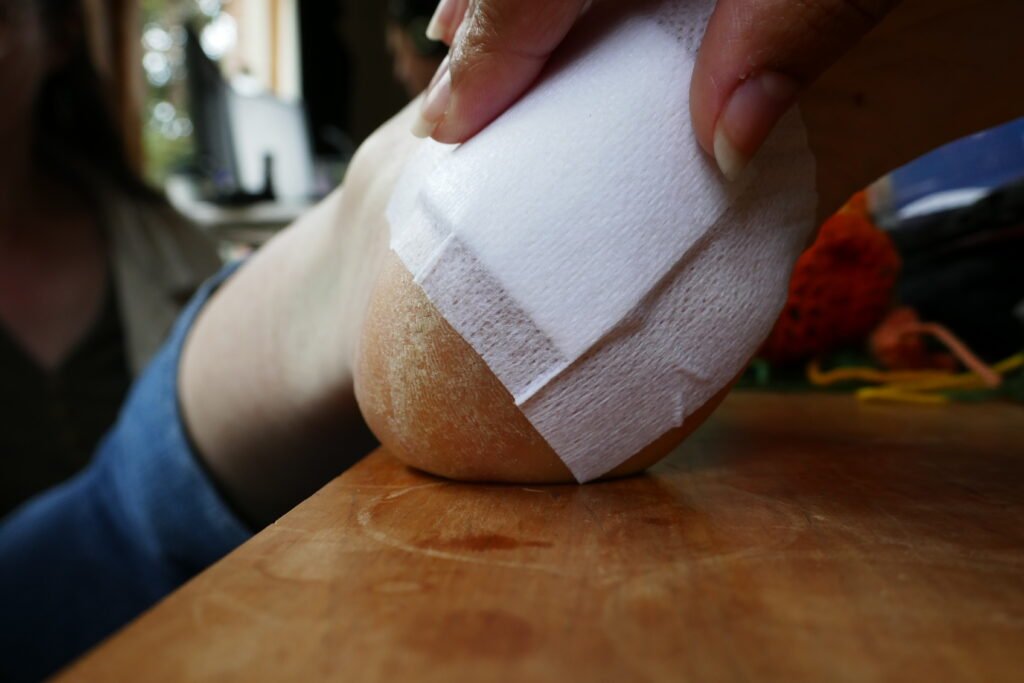
Featured image: CauliflowerMoon, Applying Adhesive Bandage To Foot, CC BY 4.0; resized or cropped for display.

General first aid education, not individualized diagnosis or treatment. Follow emergency dispatcher instructions for serious injuries.
Discover more from The Secret
Subscribe to get the latest posts sent to your email.