
Vitamin C is an essential nutrient found in many fruits and vegetables. It contributes to collagen formation, normal immune function and the absorption of iron from plant foods. A practical approach to vitamin C focuses on varied, dependable food sources rather than assuming that every adult needs a high-dose supplement. This guide explains daily requirements, portion comparisons and situations in which individualized advice matters.
The U.S. recommended dietary allowance for vitamin C is 90 mg daily for adult men and 75 mg for adult women. Pregnancy and lactation references are 85 mg and 120 mg, respectively, for adults; people who smoke require 35 mg more per day than comparable nonsmokers. Bell peppers, citrus fruits, kiwifruit, strawberries and broccoli are useful sources. The adult upper limit is 2,000 mg per day from all sources; it is not an intake target.
| Reference Or Food | Vitamin C |
|---|---|
| Adult Men, RDA | 90 mg/day |
| Adult Women, RDA | 75 mg/day |
| Raw Red Sweet Pepper, ½ cup | About 95 mg |
| Medium Orange | About 70 mg |
| Medium Kiwifruit | About 64 mg |
| Sliced Strawberries, ½ cup | About 49 mg |
Understand The Role Of Vitamin C
Vitamin C, also called ascorbic acid, is a water-soluble vitamin that humans need to obtain through their diet or another appropriate source. It participates in reactions involved in producing collagen, a structural protein found in connective tissues. Collagen has roles in skin, blood vessels, bones and the normal process of wound healing.
The vitamin also contributes to antioxidant processes and normal immune function. These biological roles do not establish that consuming unusually large amounts will prevent infections or accelerate healing in every person. Meeting a nutritional requirement and treating a medical condition are different goals.
Another useful role is supporting absorption of nonheme iron, the form found in many plant foods. The effect depends on the composition of the meal and the person’s circumstances. Vitamin C does not replace iron itself, and an individual with a diagnosed iron-related condition may need assessment and a separate treatment plan.
Our protein guide explains why the body also needs appropriate building materials and sufficient overall nourishment. A food containing vitamin C can be valuable within a balanced pattern without becoming a complete nutrition solution. Similarly, the wound care guide describes why appropriate cleaning, protection and medical attention matter for injuries. Eating a nutrient involved in tissue maintenance does not substitute for those measures.
The practical goal is an adequate, consistent intake. Select foods that fit ordinary meals, and distinguish nutritional prevention from attempts to manage persistent symptoms or a diagnosed deficiency independently.
Compare Daily Reference Amounts
The U.S. dietary reference framework specifies 90 milligrams per day for adult men and 75 milligrams for adult women. For adults who are pregnant, the general reference is 85 milligrams, and for adults who are breastfeeding, it is 120 milligrams. People who smoke are advised to obtain an additional 35 milligrams per day relative to the corresponding reference for nonsmokers.
These figures are general nutritional references for defined population groups. They are not individualized supplement doses, and they do not establish the appropriate treatment for a person with deficiency, kidney disease or another medical condition. Younger age groups have different references, and other countries may use different values.
The general U.S. Daily Value for vitamin C on nutrition labels is 90 milligrams. A hypothetical product providing 45 milligrams per serving therefore supplies 50% of that reference. Eating two equivalent portions would provide about 90 milligrams, subject to label rounding and normal variation.
Our nutrition label guide explains why the serving size matters when comparing nutrient amounts. A percentage Daily Value is a standardized comparison tool rather than an individualized prescription. If a person uses a different labeling system, they should check its applicable reference.
The NIH consumer fact sheet provides the complete age and life-stage recommendations. If you need advice for a particular medical circumstance, ask an appropriate professional rather than using the highest listed reference as a goal. A consistent intake from ordinary suitable foods is more useful than trying to consume an identical amount at each meal.
Identify Foods That Supply Vitamin C
Fruits and vegetables are the main dietary sources of vitamin C. Citrus fruits are familiar examples, but other produce can make substantial contributions. Bell peppers, kiwifruit, strawberries, broccoli and Brussels sprouts are examples with useful vitamin C content. The quantity varies with the food, portion, maturity, handling and preparation.
The NIH professional fact sheet provides approximate composition examples. Half a cup of raw red sweet pepper contains about 95 milligrams, while a medium orange provides around 70 milligrams. A medium kiwifruit contains approximately 64 milligrams. Half a cup of sliced strawberries contains around 49 milligrams. These values describe specified portions and should not be treated as precise measurements of every individual piece of fruit.
Comparisons per hundred grams can be helpful when the weights are actually comparable, but everyday decisions often benefit from considering realistic portions. A highly concentrated ingredient used in very small quantities may contribute less than a food eaten regularly in a larger portion.
Our potassium food guide explains why the actual serving and preparation matter for nutrient comparisons. Produce may supply several nutrients at once, including fiber and potassium. Choose according to overall suitability, allergies, food availability and medical guidance.
A fictional household regularly purchases tomatoes, oranges and seasonal vegetables. They do not need to replace these foods with an expensive imported powder simply to diversify their vitamin C intake. Using a variety of accessible produce at meals can be a practical starting point. A nutrition plan should be achievable over time rather than depend on one unusually concentrated food.
Understand Storage And Cooking Effects
Vitamin C can be affected by heat, prolonged storage and exposure to oxygen. Water-based cooking can also result in some vitamin C moving into cooking liquid. The actual amount retained depends on the food, preparation method and conditions. No single percentage loss applies to every meal.
When appropriate, include some produce that can safely be eaten raw, or choose cooking methods that avoid unnecessary prolonged heating. Steaming and shorter cooking times may help retain vitamin C in some foods compared with extended boiling. However, food safety and suitability remain essential. Do not eat a food raw merely to maximize a nutrient when cooking is necessary for safe consumption.
Frozen produce can be useful when fresh ingredients are expensive, unavailable or difficult to store. Its nutrient content depends on processing and storage, and it should not automatically be considered nutritionally inferior. Check the product instructions and prepare it safely.
Our food safety guide describes appropriate washing, preparation and storage. Those precautions take priority over an attempt to preserve every possible milligram of a vitamin. Keep produce according to relevant storage guidance rather than leaving cut ingredients at room temperature for convenience.
Consider a fictional meal containing cooked broccoli and a fresh orange. Both can contribute to intake, even though the broccoli’s vitamin C content may differ from that of the uncooked vegetable. The useful question is whether the overall meal pattern provides dependable sources, not whether every preparation retains the maximum possible amount.
If precise intake estimates are needed for clinical or research purposes, choose food composition entries that describe the actual preparation. For general food planning, varied and safely prepared ingredients are usually a more practical focus than detailed calculations of cooking losses.
Use Vitamin C To Support Plant Iron Absorption
Iron occurs in foods in different forms. Nonheme iron is found in many plant foods and in some fortified products. Vitamin C can improve its absorption when consumed as part of an appropriate meal. This provides a useful way to combine familiar ingredients without relying on specialized supplements.
For example, a lentil dish could be served with tomatoes or peppers, or a meal containing beans could be accompanied by a suitable citrus fruit. These combinations provide both the food containing iron and an ingredient contributing vitamin C. The actual absorption depends on several factors, including iron status and the wider meal composition.
Our magnesium guide discusses the broader nutrient contributions of pulses, whole grains and vegetables. A balanced plant-based meal may provide several relevant nutrients simultaneously. There is no need to isolate every nutrient into its own product.
People with suspected iron deficiency should obtain appropriate assessment. Increasing vitamin C intake does not establish that enough iron is being consumed or absorbed, and it does not address every cause of anemia. Fatigue, weakness or other persistent symptoms require clinical interpretation rather than a trial of multiple supplements.
Individuals with certain conditions involving iron accumulation, such as hemochromatosis, may need specific advice about concentrated vitamin C products. Do not automatically apply a general recommendation to increase iron absorption if a clinician has advised a different approach.
The most practical strategy for someone without relevant restrictions is to include suitable fruits or vegetables alongside other nourishing foods. This supports an ordinary eating pattern without implying that a particular combination is a treatment for a diagnosed condition. Discuss specific nutritional or medical concerns with a qualified professional.
Recognize Deficiency And Risk Circumstances
Very low vitamin C intake over time can lead to deficiency and, in severe cases, scurvy. Collagen-related problems can contribute to signs such as unusual bruising, bleeding gums and impaired wound healing. Fatigue and other symptoms can also occur. These manifestations are not exclusive to vitamin C deficiency, and their presence does not establish a diagnosis by itself.
People with very restricted diets or difficulty obtaining suitable foods may be at greater risk. Certain medical conditions affecting nutrient absorption or other physiological processes may also be relevant. The circumstances of each individual determine whether clinical assessment and a particular treatment are necessary.
Our dental checkup guide describes why persistent gum bleeding and other oral symptoms deserve appropriate evaluation. Gum problems can have several causes. Do not assume that consuming oranges or starting a supplement will resolve an unexplained symptom.
Our medical appointment guide explains how to communicate symptoms and provide relevant medical and dietary information. If deficiency is suspected, describe your actual eating pattern, any food restrictions and associated symptoms. A clinician can determine whether tests or another assessment are relevant.
Seek timely medical attention for concerning symptoms, and emergency help for serious bleeding, collapse or other severe findings. A diagnosed deficiency may require a specific treatment plan, including investigation of its cause. Ordinary food intake references are not substitutes for treatment doses.
A practical prevention plan should address access to food as well as nutrition knowledge. If suitable produce is difficult to obtain or medical restrictions make ordinary choices challenging, seek help from appropriate health or support services. The goal is adequate nourishment, not simply identifying a theoretical list of vitamin C sources.
Understand Vitamin C And Common Cold Claims
Vitamin C is involved in immune function, which has led to considerable interest in its relationship with respiratory infections. However, a biological role does not establish that taking more of a nutrient will prevent or cure a particular illness. It is important to distinguish adequate intake from the effects of high-dose supplements.
The NIH professional fact sheet summarizes evidence indicating that routine vitamin C supplementation does not substantially reduce the incidence of the common cold in the general population. Regular use may modestly shorten cold duration in some circumstances. Evidence about beginning supplementation after symptoms start is less consistent. These findings do not justify treating a vitamin C product as a guaranteed remedy.
A person with respiratory symptoms should consider the actual illness and relevant medical advice. Severe breathing difficulties, chest pain, confusion or marked deterioration need appropriate urgent or emergency assessment. Do not delay care because a supplement is marketed for immune support.
Our dehydration guide explains why appropriate fluid intake can be relevant during illness, while recognizing that serious symptoms may require treatment. Food, rest and hydration are general supportive considerations, not substitutes for clinically indicated care.
A fictional shopper sees a product claiming to provide several times the Daily Value for immune support. They should consider whether the amount is needed, whether there are relevant medical precautions and whether the claim describes demonstrated clinical outcomes rather than simply referring to the vitamin’s normal role.
Choose a varied eating pattern to meet nutritional requirements. A high supplement dose is not automatically superior to an appropriate intake from food, and a higher label percentage does not establish that illness will be prevented.
Compare Supplement Forms And Safety Limits
Vitamin C supplements may contain ascorbic acid or other forms, including mineral ascorbates. Some products include additional ingredients. Compare the actual declared vitamin C amount rather than assuming that a more elaborate formulation is necessary. A supplement may be useful when recommended for a defined need, but it is not an automatic requirement.
The U.S. adult tolerable upper intake level is 2,000 milligrams per day from all sources. This is a safety limit for general use, not a nutritional target. Excessive intake can cause gastrointestinal symptoms, including diarrhea, nausea and abdominal cramps. The amount appropriate for an individual may be lower depending on medical circumstances.
People with relevant kidney conditions, a history of certain kidney stones or disorders involving iron accumulation should discuss supplementation with a healthcare professional. People receiving cancer treatment should consult their treatment team before using high-dose antioxidant supplements, because medical circumstances and potential interactions require individualized evaluation.
Our vitamin D guide and vitamin B12 guide describe why different vitamins have different requirements and safety considerations. Avoid assuming that a general rule about one vitamin applies to every other nutrient.
Review products together. For example, a multivitamin may provide vitamin C alongside an additional single-nutrient product and a fortified drink. Add the actual declared amounts when assessing combined intake, and consult an appropriate professional when necessary. A product containing a nutrient is not exempt from the need to consider dose and suitability. The goal is enough vitamin C to meet your needs, not the largest amount that can be purchased.
Create A Practical Weekly Food Plan
Begin by identifying several suitable fruits or vegetables that are already available in your household. Consider cost, storage, preparation and how often the foods will actually be eaten. Seasonal produce, suitable frozen vegetables and appropriately selected fortified foods can all be considered according to the circumstances.
A practical plan might include a fruit at breakfast, vegetables with a main meal and another suitable produce item during the day. There is no requirement to use a specific fruit or vegetable at a particular hour. People who have allergies or medically necessary food restrictions can choose alternatives and obtain dietary guidance when needed.
Our meal preparation guide explains how planning meals around accessible ingredients can reduce unnecessary effort. Select amounts that can be stored and used safely, and avoid purchasing more perishable produce than the household can reasonably consume.
Use nutrition labels and reliable composition information if you need an approximate intake estimate. For an illustrative calculation, a medium orange and half a cup of sliced strawberries provide about 119 milligrams using the NIH example values. This is an estimate for specified portions, not a prescription or a precise measurement of absorption.
The most useful review considers the whole diet and practical constraints. If a clinician has recommended a supplement, retain the product name, amount and instructions. Discuss any changes with the professional responsible for that plan.
Vitamin C can be obtained through a varied and realistic food pattern. Understanding sources, preparation and supplement safety helps preserve nutritional adequacy without making an individual food or product responsible for overall health.
Frequently Asked Questions
How much vitamin C do adults need?
General U.S. references are 90 mg for adult men and 75 mg for adult women, with separate life-stage guidance.
Are oranges the only good source?
Bell peppers, kiwifruit, strawberries, broccoli and other produce can also contribute.
Does cooking destroy all vitamin C?
Cooking can reduce amounts, but retention depends on the food and preparation.
Can vitamin C improve iron absorption?
It can enhance nonheme iron absorption when consumed as part of an appropriate meal.
Does vitamin C prevent colds?
Routine supplements do not reliably prevent colds in the general population; effects on duration may be modest.
Is 2,000 mg a recommended dose?
It is the U.S. adult upper intake limit, not a recommended intake.
Can gum bleeding prove deficiency?
Gum bleeding has several possible causes and requires appropriate assessment when persistent.
- NIH Office Of Dietary Supplements: Vitamin C Consumer Fact Sheet
- NIH Office Of Dietary Supplements: Vitamin C Health Professional Fact Sheet
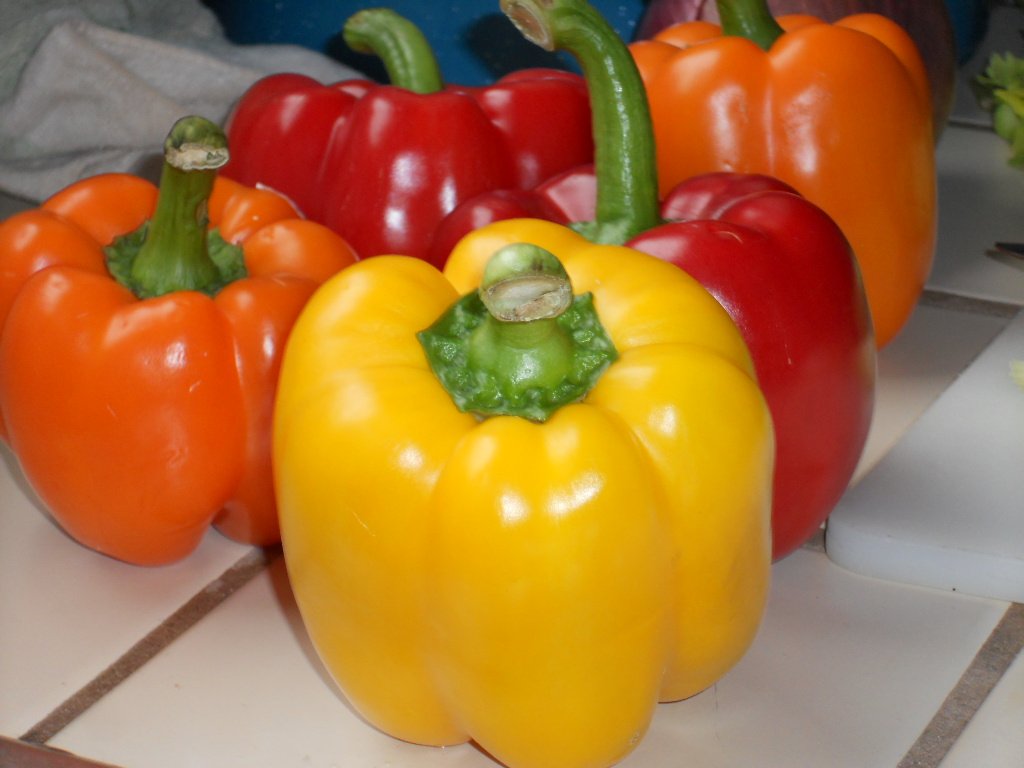
Featured image: Symphony999, Yellow, Orange And Red Bell Peppers, CC BY-SA 3.0. Resized/cropped under the same license.

General nutrition education, not individualized diagnosis or treatment.
Discover more from The Secret
Subscribe to get the latest posts sent to your email.