
Folate is vitamin B9, a nutrient with important roles in cell division and blood cell formation. The names folate and folic acid are often used interchangeably in conversation, but they matter when interpreting food and supplement labels. A useful plan combines a varied diet with specific preventive advice when pregnancy is possible and appropriate clinical care when a deficiency is suspected.
The U.S. adult recommended dietary allowance is 400 micrograms of dietary folate equivalents (mcg DFE), increasing to 600 during pregnancy and 500 during lactation. Beans, leafy greens and fortified grains can contribute. People who could become pregnant should follow public health advice to obtain 400 mcg of folic acid daily in addition to a varied diet. The adult upper limit for folic acid from fortified foods and supplements is 1,000 mcg daily, unless medically supervised.
| Reference Or Food | Approximate Amount |
|---|---|
| Adult RDA | 400 mcg DFE/day |
| Pregnancy RDA | 600 mcg DFE/day |
| Lactation RDA | 500 mcg DFE/day |
| Boiled Spinach, ½ Cup | 131 mcg DFE |
| Cooked Black-Eyed Peas, ½ Cup | 105 mcg DFE |
| Boiled Asparagus, 4 Spears | 89 mcg DFE |
Folate, Folic Acid And The Meaning Of Vitamin B9
The word folate describes a family of compounds with vitamin B9 activity. Some occur naturally in food, while folic acid is a stable form used in many supplements and fortified products. Other supplemental forms exist, including forms of methylfolate. These differences become relevant when comparing labels, discussing supplementation and interpreting claims that one formulation is essential for everyone.
The body uses folate in reactions that support DNA production and the division of cells. Tissues that continually renew themselves depend on adequate supplies of the necessary nutrients. Normal blood cell formation also involves folate, vitamin B12, iron and other nutrients. A problem with one nutrient cannot necessarily be corrected by consuming another.
Our vitamin B12 guide explains a related distinction between dietary intake and the body’s ability to use a vitamin. Folate has its own intake recommendations and medical considerations. A person who feels unusually tired should not automatically choose folic acid instead of obtaining appropriate assessment.
The name of a vitamin describes a physiological role, not a guarantee that a concentrated product will improve every aspect of health. Begin with the question that the product or food is intended to address. Ordinary nutrition, prevention of neural tube defects and treatment of a diagnosed deficiency involve different considerations. A useful guide distinguishes them so that readers can understand what they are purchasing or discussing with a healthcare professional.
Understand Daily Requirements And Dietary Folate Equivalents
The recommended amount for most U.S. adults is 400 mcg DFE daily. Pregnancy and lactation increase the general reference amounts to 600 and 500 mcg DFE respectively. These values describe total folate intake using a unit that accounts for differences in relative availability between natural food folate and folic acid.
The concept can be understood through a simple calculation. One microgram of natural food folate is counted as one microgram DFE. When folic acid is consumed in fortified food or with a meal, one microgram of folic acid corresponds approximately to 1.7 mcg DFE. For example, a hypothetical serving containing 120 mcg of naturally occurring folate and 60 mcg of added folic acid provides roughly 222 mcg DFE. This is an illustration of the label calculation, not a meal recommendation or a measurement of actual individual absorption.
A separate dietary conversion is used for folic acid consumed on an empty stomach in the reference framework. That difference is not a reason to change the timing of a prescribed product independently. Follow its directions and relevant professional guidance.
Our nutrition label guide explains why units and serving sizes matter. The general U.S. label Daily Value for folate is 400 mcg DFE. The printed folic acid amount, where supplied, describes a different quantity. Do not add the DFE value and the folic acid value together as if they represented two independent amounts of vitamin B9.
Compare Natural Folate Sources In Everyday Meals
Vegetables and legumes are especially useful foods to consider when planning an ordinary folate-containing diet. Beans, lentils, asparagus, spinach, Brussels sprouts and other leafy vegetables are examples. Fruit and other foods can contribute too. The amount supplied depends on variety, preparation and the portion actually eaten.
The NIH food composition examples include about 131 mcg DFE in half a cup of boiled spinach, 105 mcg in half a cup of cooked black-eyed peas and 89 mcg in four boiled asparagus spears. These are approximate figures for specific preparations. They are not measurements of the produce available in every shop, and a cup of raw spinach is not equivalent to a cup of cooked spinach because the quantities of leaves differ.
Use this comparison to design a practical meal rather than construct a ranking detached from normal portions. A household that prepares lentil soup regularly may already have a useful source. It could also include suitable greens or another vegetable on different days. A person with a medically restricted diet may need alternatives tailored by a dietitian.
Our fiber guide discusses another contribution of vegetables and pulses. Such foods can provide several nutrients simultaneously. Their value should not be reduced to a single number. Include appropriate protein, energy and other nutrients rather than attempting to make every dish exclusively about folate.
Cost also matters. A bag of dried pulses may support several meals, while a fresh ingredient may need to be eaten promptly. Compare what you will realistically buy, cook and consume. Dependable portions used throughout the week may be more helpful than an expensive source that rarely appears on the table.
Read Fortified Foods And Supplement Labels Correctly
Fortification means adding a nutrient during food manufacturing. Some enriched grains and cereals contain folic acid, but practices differ by country and product. Whole grain status does not automatically establish whether a food is fortified. Check the ingredient declaration and the actual nutrition information.
A fictional product label reads “Folate 170 mcg DFE (100 mcg folic acid).” This means the 170 mcg DFE already accounts for the 100 mcg of folic acid. Adding 170 and 100 would double count the same contribution. If the label gives a percentage, the 170 mcg DFE corresponds to approximately 42.5% of the general U.S. Daily Value before rounding.
Compare two imaginary cereals. One provides 170 mcg DFE and the other 340 mcg DFE in their respective servings. If the serving sizes differ, a person who eats the same weight of each cereal may not consume those exact amounts. Calculate using the quantity actually eaten and consider other ingredients and nutrients.
The FDA label explanation addresses this distinction. It is particularly useful when comparing fortified food with a supplement, where the units can appear on the same panel.
Our vitamin D guide explains the broader challenge of interpreting fortification. Fortified foods can be practical, but their composition depends on the product. Check labels again when a familiar product changes. A claim on the front of a package is not a substitute for the declared serving and nutrient amount.
Plan Folate Intake Before And During Pregnancy
Folic acid has a specific public health role before pregnancy and during early pregnancy. Adequate folic acid helps reduce the risk of neural tube defects, which affect development of the brain and spinal cord. This stage of development occurs very early, sometimes before a pregnancy has been recognized. Planning before pregnancy therefore matters.
The CDC recommends that people who could become pregnant obtain 400 micrograms of folic acid daily. This preventive advice is distinct from the dietary reference of 600 mcg DFE during pregnancy. The figures use different units and serve related but different purposes. Do not interpret 600 mcg DFE as a direction to add 600 mcg of folic acid on top of a prenatal product.
Some people require individualized recommendations because of a previous pregnancy affected by a neural tube defect, particular medication use or other medical circumstances. Discuss these factors with a healthcare professional before pregnancy when possible. Higher-dose regimens used for selected medical indications are not general self-care recommendations.
Check the full prenatal supplement label and discuss how it fits with other products already being used. The CDC folic acid guidance explains preventive intake and food sources. Follow local medical recommendations, including those regarding timing and dose.
A diet rich in natural folate is beneficial, but it should not be used as a reason to ignore specific folic acid prevention advice. At the same time, a supplement does not replace adequate nutrition, appropriate prenatal care or a review of medicines. The aim is a practical, evidence-based prevention plan tailored to the actual person’s circumstances.
Keep Food Preparation Practical
Folate amounts may change during storage and preparation. Some food folates are sensitive to heat, and water-based cooking can transfer nutrients into the cooking liquid. The amount retained depends on the specific food and process. Do not apply a single nutrient loss percentage to every dish.
A soup or stew that retains its cooking liquid may differ from vegetables boiled and drained. A safely prepared salad can provide a different contribution from cooked vegetables. Choose methods that fit the ingredients, food safety requirements and household preferences. Dry beans must be prepared and cooked correctly; do not shorten necessary cooking in an attempt to preserve a vitamin.
Our food safety guide explains safe handling and storage. Plan cooked portions around appropriate refrigeration or freezing rather than leaving food out for long periods. This is more important than trying to preserve a theoretical maximum quantity of a vitamin.
Our meal preparation guide suggests organizing meals around familiar ingredients. For example, a household could cook a suitable bean dish, prepare a separate vegetable accompaniment and safely store portions for another meal. This gives several opportunities to consume folate without requiring elaborate recipes.
For a nutrient calculation, use an entry corresponding to the actual cooked or raw food. A serving of dried beans and an equal weight of cooked beans contain different amounts of water. For general shopping, the exact calculation is usually less important than access to a varied pattern. If a clinical diet requires more precision, follow the relevant professional’s method.
Recognize Deficiency Without Self-Diagnosing
Folate deficiency may affect red blood cell development and can contribute to megaloblastic anemia. Tiredness, weakness and other symptoms may occur, but none of these identifies folate deficiency by itself. Other nutrient deficiencies, illness and many different medical conditions can cause similar symptoms.
Low intake is one possible factor. Conditions affecting intestinal absorption, certain medicines and other circumstances may also influence folate status. A clinician may consider diet, medication history and laboratory measurements before deciding whether treatment is indicated.
The difference between folate and B12 is particularly important. Large amounts of folic acid can improve the anemia associated with B12 deficiency while neurological damage continues. Treating an unexplained anemia with folic acid alone is therefore not an appropriate way to determine its cause. A professional can evaluate the relevant findings and decide which investigation is needed.
Our thyroid test guide illustrates why fatigue and other nonspecific symptoms should be interpreted with actual clinical information. Our appointment preparation guide describes how to communicate symptoms and medication history.
Bring relevant food restrictions, supplement packages and previous reports when discussing a possible deficiency. Do not discontinue prescribed medicines independently because you suspect an interaction. If you develop new persistent numbness, problems with walking or other concerning neurological symptoms, arrange timely medical assessment. Sudden weakness, speech difficulty or other emergency symptoms require immediate help. Nutrition education is valuable when it supports appropriate decisions, rather than encouraging a person to treat an unexplained medical finding without assessment.
Understand Supplement Limits And Medication Interactions
The adult U.S. tolerable upper intake level is 1,000 mcg per day of folic acid from supplements and fortified foods. It does not apply to naturally occurring food folate. The limit is expressed as the amount of folic acid, not a target for total DFE. Medical treatment may involve different doses under supervision.
Imagine a fictional adult uses a multivitamin with 400 mcg folic acid, a fortified product supplying 200 mcg and a separate supplement containing another 400 mcg. These sources together provide 1,000 mcg folic acid, even though the DFE figures on the labels would be higher. This example illustrates why combining products can matter.
Certain medicines can influence folate metabolism or interact with supplementation. For example, folate management during methotrexate treatment depends on why the drug is being used and the instructions of the prescribing clinician. Do not copy another patient’s supplement regimen or change a medically prescribed schedule based on a general food article.
Some products advertise methylfolate using claims about common genetic variants. The CDC states that people with common MTHFR variants can process folic acid. Do not conclude that a particular genetic result requires avoiding the form with established public health evidence. Individual medical questions can be discussed with a qualified professional.
Our magnesium guide discusses another example in which a supplement limit and food reference differ. For folate, review the actual form, amount, units and reason for use. A more expensive formulation or a higher dose is not automatically more appropriate. The best option is one supported by the person’s needs and applicable clinical guidance.
Build A Weekly Plan That Is Easy To Maintain
Start by identifying two or three folate-containing foods that you already enjoy and can obtain reliably. For a household that eats pulses, the plan could include a lentil or bean dish on several days and suitable vegetables with other meals. Someone who uses a fortified cereal can check whether the serving fits their actual breakfast routine.
A simple worksheet can contain four columns: food, usual portion, approximate mcg DFE and frequency. For a product containing added folic acid, add a separate column identifying its actual folic acid amount. This makes it possible to distinguish the dietary reference calculation from a review of supplemental and fortified folic acid exposure.
For instance, suppose a hypothetical lunch contributes 180 mcg of natural food folate and a breakfast product contributes 170 mcg DFE including 100 mcg folic acid. Together they provide approximately 350 mcg DFE. Other meals may contribute more. Only the added folic acid portion is counted toward the supplemental and fortified folic acid limit in this example. The calculation should be treated as an estimate rather than a personal dietary prescription.
Review practical barriers, including the availability of foods, storage and medical restrictions. If pregnancy is possible, do not rely solely on a food estimate; follow the separate folic acid prevention guidance. If a deficiency is suspected, obtain assessment rather than adding more products to the worksheet.
The goal is a dependable eating pattern and appropriate preventive care. Natural folate, fortified foods and supplements have different roles. Understanding their units helps you compare products and discuss medically relevant questions without confusing a general intake reference with a treatment regimen.
Frequently Asked Questions
Are folate and folic acid identical?
Folic acid is one form of folate, commonly used in fortified foods and supplements.
What does mcg DFE mean?
Micrograms of dietary folate equivalents, a unit that accounts for differences in relative availability.
What is the adult dietary reference?
For most U.S. adults it is 400 mcg DFE daily.
Why is folic acid recommended before pregnancy?
It helps reduce neural tube defect risk during very early development.
Does the adult upper limit include natural folate?
The U.S. 1,000 mcg limit concerns folic acid from fortified foods and supplements, not naturally occurring food folate.
Can I take folic acid for unexplained anemia?
Seek clinical assessment first, including consideration of B12 deficiency.
Does a common MTHFR variant mean folic acid cannot be used?
Common variants do not prevent processing folic acid. Discuss individual concerns with a clinician.
- NIH ODS: Folate Consumer Fact Sheet
- NIH ODS: Folate Health Professional Fact Sheet
- CDC: Folic Acid Intake And Sources
- FDA: Folate And Folic Acid On Labels
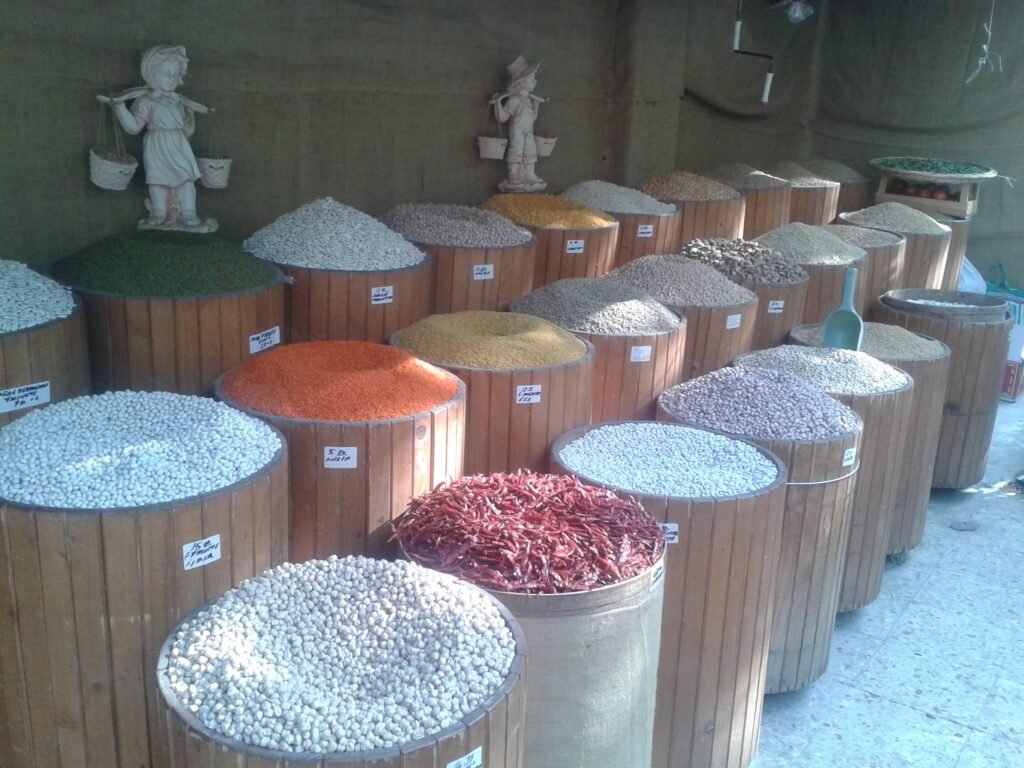
Featured image: E4024, Dry Beans, Lentils Etc., CC BY-SA 4.0; resized under the same license.

General nutrition education, not individualized diagnosis or treatment.
Discover more from The Secret
Subscribe to get the latest posts sent to your email.