
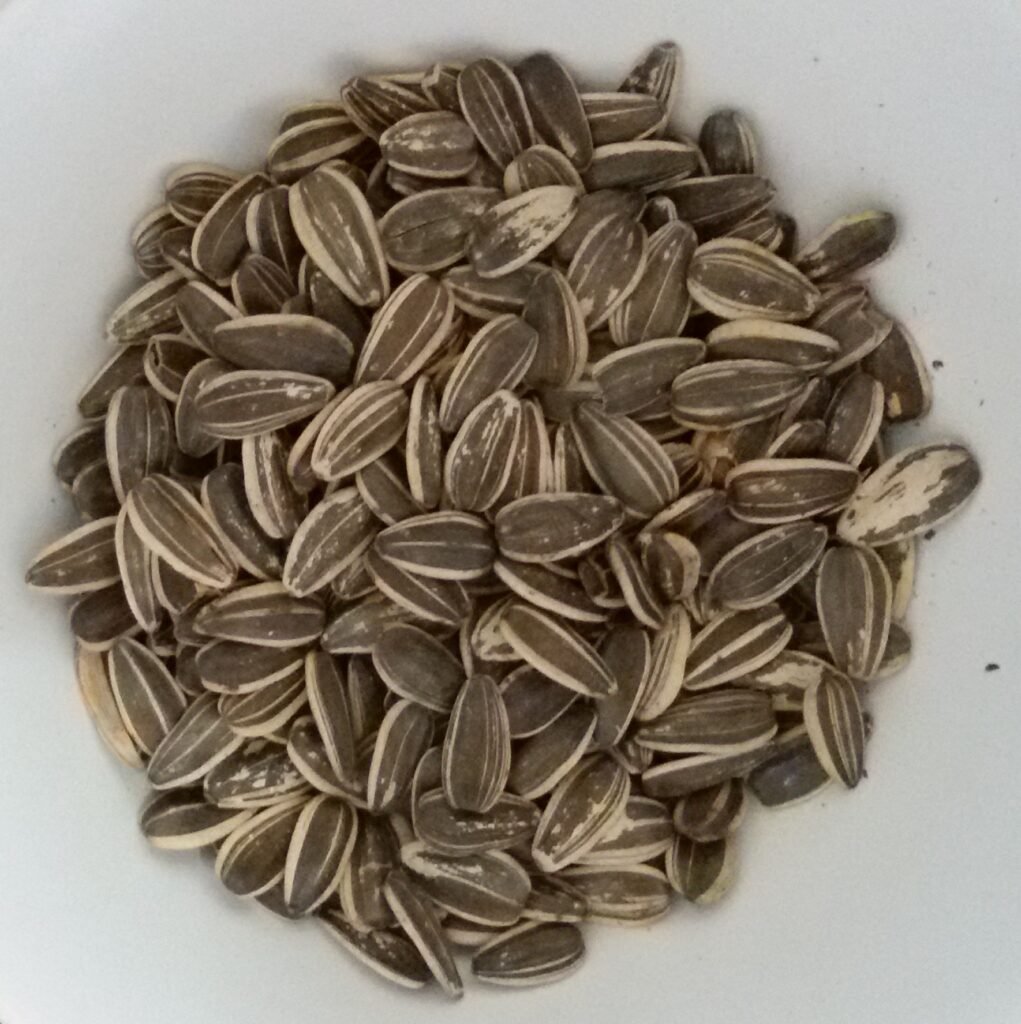
Vitamin E is an essential fat-soluble nutrient, but it is also frequently marketed in doses far above ordinary nutritional requirements. Knowing the difference between dietary adequacy and high-dose supplementation can help you make more informed choices. This guide explains vitamin E’s role, realistic food portions, absorption, label conversions and situations in which professional assessment is important.
The U.S. recommended intake of alpha-tocopherol is 15 mg daily for adults, including during pregnancy, and 19 mg during breastfeeding. Sunflower seed kernels, almonds, vegetable oils, hazelnuts and other foods can contribute. Deficiency is uncommon in otherwise healthy people, while high-dose supplements can increase bleeding risk and interact with medicines. The adult upper limit of 1,000 mg for supplemental alpha-tocopherol is a safety boundary, not a recommended dose.
| Reference Or Example | Alpha-Tocopherol |
|---|---|
| Adult RDA | 15 mg/day |
| Pregnancy RDA | 15 mg/day |
| Lactation RDA | 19 mg/day |
| Dry-Roasted Sunflower Kernels, 1 oz | 7.4 mg |
| Dry-Roasted Almonds, 1 oz | 6.8 mg |
What Vitamin E Actually Does
Vitamin E is a collective name for several related compounds, including tocopherols and tocotrienols. Alpha-tocopherol is the form used to establish human dietary requirements. Among its functions, vitamin E helps protect cell membranes from oxidative damage. It also participates in normal immune function and cellular processes.
Oxidation is a normal part of biology. Reactive molecules can arise during metabolism, and the body has multiple systems for managing them. Dietary antioxidants are part of that broader picture. They do not eliminate every reactive molecule, nor does an antioxidant label establish that a product prevents disease.
This distinction matters because many supplement advertisements move from a genuine biochemical function to a much larger clinical claim. A nutrient may be necessary for normal immune activity without a large supplemental dose improving immunity in someone who already obtains enough. Clinical outcomes require their own evidence.
Our vitamin C nutrition guide explains another nutrient involved in antioxidant processes. Vitamin C and vitamin E have different chemical properties, requirements and safety considerations. They should not be treated as interchangeable merely because both are described as antioxidants.
A practical approach begins with a realistic food pattern. If you have a specific health problem, ask whether vitamin E has a demonstrated role in its assessment or treatment. Do not assume that a concentrated product is necessary because the nutrient has important functions. The goal of ordinary nutrition is adequacy, not maximization.
Understand Daily Requirements Across Life Stages
The U.S. adult recommended dietary allowance is 15 milligrams of alpha-tocopherol daily. The reference is also 15 milligrams during pregnancy and rises to 19 milligrams during lactation. Adolescents aged fourteen through eighteen have a 15-milligram reference, while younger children have separate values. Guidance may be expressed differently in other countries.
A recommended dietary allowance describes an intake intended to meet the needs of nearly all healthy people in the relevant population group. It is not a statement that each individual must consume exactly that amount on every calendar day. Nor is it a dose intended to treat a diagnosed deficiency or an absorption disorder.
A person obtaining vitamin E from a combination of nuts, oils, vegetables and fortified foods should consider the combined intake. There is no general instruction to consume those foods and then add another 15 milligrams through a supplement. The amount already supplied by the diet matters.
The general U.S. Daily Value for vitamin E on food labels is 15 milligrams. An illustrative fortified food supplying 3 milligrams per serving therefore provides twenty percent of that label reference. If you consume half the serving, the estimated contribution is 1.5 milligrams rather than the amount displayed for the full serving.
Our guide to nutrition labels explains the importance of matching the actual portion to the listed serving. Use the reference as a planning tool, and seek individualized advice when a medical condition, pregnancy-related question or unusual dietary restriction changes your needs. A target on a label is not a diagnostic test.
Compare Nuts, Seeds And Oils By Realistic Portions
Sunflower kernels, almonds and certain vegetable oils are useful sources of alpha-tocopherol. Hazelnuts, peanuts, some other nuts and seeds, and green vegetables also contribute. The actual amount varies with the specific food, processing and portion.
For example, the NIH Office of Dietary Supplements lists approximately 7.4 milligrams of vitamin E in one ounce of dry-roasted sunflower seeds and 6.8 milligrams in one ounce of dry-roasted almonds. These are edible portions of approximately 28 grams, not the weight of inedible shells. One ounce of each would provide an estimated 14.2 milligrams from those two foods, but that calculation is an illustration rather than a universal daily menu.
Oils are another concentrated source. Wheat germ and sunflower oils can contain substantial amounts, while other oils differ in their composition. Compare the particular oil and quantity used. A tablespoon of oil contributes to the whole meal, but it also supplies fat and energy. Adding several extra tablespoons solely to pursue a nutrient target is not necessary for everyone.
Our sustainable weight management guide explains why dietary choices should consider the overall pattern. Nuts and oils can be appropriate components of a varied diet without requiring unrestricted portions.
Food allergy, cost, availability and medical dietary restrictions matter. Choose compatible alternatives rather than eating a confirmed allergen for its vitamin E content. The food allergy guide explains why those precautions are important. The best source for an individual is often one that can be used safely and consistently in ordinary meals, not necessarily the highest-ranked item in a nutrient database.
Make A Practical Meal Pattern Instead Of Chasing One Food
A varied food pattern can distribute vitamin E across several eating occasions. For example, a person might use a modest portion of suitable sunflower kernels as a topping, include leafy vegetables in another meal and use an appropriate cooking oil in a main dish. Someone who avoids seeds may prefer a suitable nut or another compatible source.
The proportions of foods should reflect the rest of the diet. A meal does not become nutritionally complete simply because it contains a source of vitamin E. It may also need adequate protein, other micronutrients, fiber and energy. Our protein guide and fiber guide address two of these considerations.
For a practical comparison, suppose a fictional breakfast supplies 4 milligrams from a suitable fortified food and another meal provides 6.8 milligrams from an ounce of dry-roasted almonds. Together those sources provide about 10.8 milligrams, with other foods contributing additional amounts. Actual products and portions must be checked rather than assuming this example matches your own meals.
Plan shopping around quantities that can be stored and consumed safely. Oils and nuts can deteriorate during prolonged or inappropriate storage. Follow the product’s storage instructions and discard food that is spoiled or otherwise unsuitable. Our food safety guide explains broader storage precautions.
A weekly meal review can be more useful than repeatedly calculating an exact nutrient amount from every ingredient. Identify several dependable sources and check whether they appear regularly. If a dietary assessment indicates a gap, a qualified dietitian can help adjust portions and choices in a way that also meets other nutritional needs.
Understand Fat-Soluble Vitamin Absorption
Vitamin E is fat-soluble. Its absorption therefore depends partly on the digestive processes that handle dietary fat. Bile, digestive enzymes and normal intestinal function can all be relevant. Eating vitamin E-containing foods as part of ordinary mixed meals can provide a suitable context for absorption.
This does not mean that everyone should add large amounts of fat to a meal or consume concentrated oil with each supplement. Many vitamin E sources already contain fat, including nuts and seed kernels. A person following an individualized medical diet should not alter its fat content independently in an attempt to improve absorption.
Certain medical conditions can interfere with the absorption of fat-soluble nutrients. These may include particular intestinal, pancreatic or biliary disorders, as well as rare inherited conditions affecting vitamin E handling. A person with one of these problems may need specialized assessment and treatment rather than a general food recommendation.
Our vitamin D guide explains another fat-soluble vitamin. The two share some digestive considerations, but they have different biological roles, dosage units and treatment needs. A problem involving one nutrient does not establish the correct treatment for the other.
If you have persistent digestive symptoms, unexplained weight loss or a diagnosis that affects absorption, discuss nutritional status with a healthcare professional. They can determine whether testing or a particular formulation is indicated. The way a supplement is absorbed may differ according to its preparation and the underlying condition.
For otherwise healthy adults, the practical emphasis remains ordinary varied meals. It is usually unnecessary to design elaborate nutrient-timing strategies or consume unusually fatty foods to obtain vitamin E. Follow a sustainable eating pattern and obtain professional advice when medical circumstances make absorption an important concern.
Read Natural, Synthetic And IU Supplement Labels Correctly
Older supplement labels may express vitamin E in international units, abbreviated IU. Current U.S. labeling uses milligrams, making it easier to compare the declared amount with the dietary reference. However, older products and references can still use IU, and the conversion depends on the form.
Naturally sourced alpha-tocopherol is often described using d-alpha-tocopherol or RRR-alpha-tocopherol terminology. Synthetic forms may be labeled dl-alpha-tocopherol or all-rac-alpha-tocopherol. The amount of vitamin activity associated with a given number of international units differs between these forms.
For label conversion, one IU of natural vitamin E is equivalent to approximately 0.67 milligrams of alpha-tocopherol activity, while one IU of synthetic vitamin E corresponds to approximately 0.45 milligrams. A hypothetical 100-IU product would therefore correspond to about 67 milligrams in the natural form or 45 milligrams in the synthetic form. Both amounts exceed the ordinary adult dietary reference of 15 milligrams. This calculation is not a dose recommendation.
Do not assume that a product listing mixed tocopherols provides the same amount of alpha-tocopherol as the total weight of those compounds. Look for the declared vitamin E amount and relevant form. Additional ingredients can have their own considerations.
Our zinc nutrition guide explains a related label issue: the declared nutrient amount and the mass of its chemical compound are not always the same concept. For vitamin E, compare like units and check the full label, including serving size.
If a clinician has recommended a specific formulation, use the product and amount prescribed. Do not switch between natural and synthetic products on the basis of an identical IU number without confirming the intended dose.
Recognize Possible Deficiency And Testing Limitations
Clinically significant vitamin E deficiency is uncommon in otherwise healthy people. It is more often associated with disorders that interfere with fat absorption or vitamin E transport. Symptoms can include neurological and muscular abnormalities, such as coordination difficulties, weakness or impaired sensation. Visual problems can also occur in some deficiency-related conditions.
These symptoms are not specific to vitamin E. Our vitamin B12 guide discusses another nutrient whose deficiency can affect the nervous system. Neurological symptoms require appropriate evaluation, because nutritional deficiencies, medical disorders and other causes can overlap.
A healthcare professional may consider a blood alpha-tocopherol measurement when clinically indicated. Circulating concentrations can be influenced by lipid levels, so interpretation may require additional context. A result should not be treated as a precise measure of every tissue’s vitamin E status or used independently to select a high supplement dose.
Tell the healthcare team about relevant digestive conditions, dietary restrictions, medicines, supplements and any previous operations affecting digestion. A symptom diary and actual product labels can help clarify what needs investigation. Our medical checkup guide explains how to prepare for such discussions.
Do not delay care for sudden weakness, speech problems, loss of vision or another acute neurological change because you suspect a nutrient deficiency. Emergency symptoms require immediate assessment.
When a deficiency is confirmed, management depends on its underlying cause. An ordinary food pattern may be insufficient in a serious absorption disorder, and specialized treatment may be needed. Follow the relevant clinician’s advice rather than using a general nutritional reference to determine the treatment amount.
Understand High-Dose Supplement Risks And Interactions
The U.S. adult tolerable upper intake level for supplemental alpha-tocopherol is 1,000 milligrams per day. It does not represent a desirable dose, and health risks can arise below that threshold in particular circumstances. It applies to supplemental forms rather than naturally occurring vitamin E in ordinary food.
High-dose vitamin E can interfere with blood clotting and increase bleeding risk. People using anticoagulants or antiplatelet medicines should discuss any supplement with their healthcare professional. The relevance of an interaction depends on the actual medicine, dose and individual clinical situation. Do not discontinue prescribed treatment or attempt to compensate for a supplement interaction independently.
The large SELECT trial found that a specific high-dose synthetic vitamin E supplement regimen was associated with increased prostate cancer risk in the population studied. That finding does not mean eating almonds or sunflower seeds causes prostate cancer. It illustrates why a concentrated intervention cannot automatically be assumed to have the same risk profile as obtaining a nutrient from food.
People receiving cancer treatment should also check with their oncology team before using antioxidant supplements, because possible interactions depend on the treatment. Avoid products promising protection against serious disease without appropriate evidence for the intended use.
Our first aid guide explains what to do when bleeding occurs. Unexplained or significant bleeding, black stools, sudden severe headache or other concerning symptoms require medical assessment. Emergency features should be treated urgently.
Keep a list of all supplements, including multivitamins, standalone vitamin E and products marketed for skin or general wellness. The combined exposure matters. A high-dose product should have a clear medical rationale and appropriate oversight rather than being selected simply because the label contains a larger number.
Build A Sustainable Vitamin E Plan
Start by identifying which suitable foods already appear in your routine. A person who uses an appropriate vegetable oil and eats seeds or nuts regularly may obtain vitamin E through several existing choices. Another person may need to consider alternatives because of allergies, cost or preferences.
Our meal preparation guide describes planning around familiar foods. Choose portions that fit the household’s needs and use ingredients before their quality declines. There is no requirement to purchase a specialized superfood when ordinary available products can contribute.
If you need a more detailed assessment, record the food, actual edible portion, relevant vitamin E amount and frequency. Reliable composition data can support an estimate. Avoid adding the total weight of different vitamin E compounds together without checking what the reported amount represents.
Ask whether a supplement serves a specific need. If you already take one, review its dose and form with an appropriate professional, particularly if you have a bleeding disorder, use blood-thinning medication or receive cancer treatment. Follow individualized instructions when a product has been prescribed.
It is useful to reassess the entire diet rather than focusing exclusively on one nutrient. Our magnesium guide describes how nuts, seeds and other foods can contribute multiple nutrients. A varied pattern can support several requirements without requiring a separate concentrated supplement for every vitamin or mineral.
Vitamin E is necessary for health, but the goal is an appropriate intake and safe medical management when indicated. Food choice, realistic portions, label literacy and awareness of supplement risks provide a more reliable framework than treating the highest available dose as the most beneficial.
Frequently Asked Questions
How much vitamin E do adults need?
The U.S. adult RDA is 15 mg of alpha-tocopherol daily, rising to 19 mg during lactation.
Which foods are good sources?
Sunflower kernels, almonds, some vegetable oils and other nuts, seeds and vegetables can contribute.
Is 1,000 mg a recommended daily dose?
It is the U.S. adult upper limit for supplemental alpha-tocopherol, not a target.
Does natural vitamin E have the same IU conversion as synthetic vitamin E?
The conversions differ: approximately 0.67 mg per natural IU and 0.45 mg per synthetic IU.
Can supplements interfere with blood thinners?
High-dose vitamin E can increase bleeding risk. Check with the prescribing clinician or pharmacist.
Is deficiency common in healthy adults?
Clinical deficiency is uncommon and is more often associated with absorption or transport disorders.
Should I take vitamin E to prevent cancer?
High-dose supplementation is not established as a general cancer-prevention strategy and can carry risks.
- NIH Office Of Dietary Supplements: Vitamin E Consumer Fact Sheet
- NIH Office Of Dietary Supplements: Vitamin E Health Professional Fact Sheet
Featured image: Okkisafire, Sunflower Seeds Food, CC BY-SA 4.0; resized under the same license.

General nutrition education, not individualized diagnosis or treatment.
Discover more from The Secret
Subscribe to get the latest posts sent to your email.