
Zinc is an essential trace mineral. The amount required is small compared with the requirements for some other nutrients, but zinc has important roles in cellular function, growth and tissue maintenance. A useful nutrition plan accounts for the foods a person actually consumes, the factors affecting absorption and the distinction between a daily requirement and a concentrated supplement dose.
The U.S. recommended dietary allowance for adult men is 11 mg of zinc daily and for adult women is 8 mg. Adult pregnancy and lactation references are 11 mg and 12 mg. Meat, shellfish, dairy, pulses, nuts, seeds and fortified foods can contribute. Phytate in plant foods can reduce zinc absorption. The U.S. adult upper limit is 40 mg daily from all sources, except medically supervised treatment.
| U.S. Adult Reference | Zinc Per Day |
|---|---|
| Men | 11 mg |
| Women | 8 mg |
| Pregnancy | 11 mg |
| Lactation | 12 mg |
| Upper Limit (All Sources) | 40 mg |
What Zinc Does And Why Adequacy Matters
Zinc participates in the activity of numerous enzymes and proteins, contributing to DNA and protein synthesis, immune function, cell division and wound healing. It also has a role in taste and smell. These functions depend on adequate nutrition, but a biological role should not be interpreted as evidence that taking larger and larger amounts improves the corresponding outcome.
For example, zinc is relevant to normal wound healing, yet a wound requiring stitches, infection assessment or other medical treatment cannot be addressed simply by eating a zinc-rich food. Our cuts and grazes guide explains how immediate wound care differs from nutritional support. Adequate nourishment supports ordinary physiological processes; it does not replace an appropriate response to injury.
Zinc is often discussed in relation to immunity. This does not make every product marketed for immune support a necessary purchase. The effects of a supplement depend on the person’s status, the product, amount, clinical circumstances and the evidence for the intended use.
Our vitamin C guide explains a similar distinction between a nutrient’s established physiological functions and claims about preventing or treating illness. The two nutrients have different properties and safety considerations. Do not transfer a supplement dose or safety assumption from one to another.
Start by identifying whether the objective is ordinary nutritional adequacy, evaluation of a possible deficiency or a clinician-directed treatment. A food guide can help with the first. The other objectives may require individualized assessment rather than an attempt to choose a product based on symptoms alone.
Understand Daily Requirements And Label Values
The recommended dietary allowance in the U.S. for men aged nineteen and older is 11 milligrams daily, and for women in that age group it is 8 milligrams. The general adult pregnancy reference is 11 milligrams and the lactation reference is 12 milligrams. Children and adolescents have separate age-specific references. Other countries may express guidance using their own reference frameworks.
These figures describe intake from relevant sources, not the amount that everyone should add through a supplement. A person already obtaining zinc from food does not need to take another 11 milligrams merely because the adult male reference is 11 milligrams. A clinician-directed plan for diagnosed deficiency may use a different amount and schedule.
The general U.S. zinc Daily Value on nutrition labels is 11 milligrams. A hypothetical fortified product providing 2.2 milligrams per serving therefore provides twenty percent of that Daily Value. If someone eats one and a half servings, their estimated intake from the product would be 3.3 milligrams. The percentage refers to a standard label reference rather than every individual’s exact nutritional need.
Our nutrition label guide discusses how to read serving sizes and percentages. A food that does not display zinc on its nutrition panel may still contain it. Reliable food composition databases can provide estimates for specified foods when the label does not contain the information.
Use the actual milligram quantity when comparing products. Avoid confusing milligrams of zinc with the weight of the entire zinc-containing compound. The units and intended purpose of the label are important to both nutritional calculations and supplement safety.
Compare Animal Food Sources
Oysters are among the most concentrated dietary zinc sources. Other shellfish, meat, poultry, eggs and dairy foods can provide varying amounts. A concentration ranking is only useful when interpreted according to realistic portions and the broader nutritional needs of the person eating the food.
A person who eats beef occasionally may obtain a meaningful amount from that meal, while someone who regularly consumes milk and yogurt may obtain smaller contributions across several servings. The actual amounts depend on the food and preparation. There is no requirement to eat a highly concentrated shellfish product to meet ordinary zinc needs.
Food allergy, medical dietary restrictions, cost and safe preparation all influence the available choices. Our food allergy guide explains why a suspected allergy requires appropriate assessment and why a confirmed allergen should not be consumed to pursue a nutrient target.
The food safety guide describes appropriate handling and preparation of animal foods. Raw shellfish can present important foodborne illness risks, especially for people with certain medical conditions. Do not choose a preparation that is unsafe merely because a nutrient table lists a high concentration.
A practical meal plan can use several compatible foods instead of assigning the entire zinc requirement to one ingredient. For example, a household may combine a suitable protein-containing dish with vegetables and grains, then use other sources at different meals. Evaluate the complete pattern and seek a dietitian’s advice when dietary restrictions make adequacy difficult. An unusually high concentration in one food is not automatically an advantage when the actual portion, cost or safety is unsuitable.
Choose Plant Foods And Understand Phytate
Beans, lentils, whole grains, nuts and seeds can contribute zinc to a plant-based diet. These foods also supply other relevant nutrients, including fiber, protein or unsaturated fats. The amount of zinc absorbed can differ from the amount present because food composition affects availability.
Phytate, a compound found in many plant foods, can bind zinc in the digestive tract and reduce absorption. This does not mean that plant foods are poor choices or should be avoided. It means that the composition of the overall diet matters when evaluating whether it meets nutritional needs. People relying heavily on plant foods may benefit from individualized guidance about zinc intake and food preparation.
Soaking, sprouting, fermentation and other preparation methods can alter phytate content in some foods. The actual effect depends on the ingredient and process. Do not assume that every method provides a predictable percentage improvement in zinc absorption, and follow safe preparation practices. Sprouts and other foods requiring particular precautions should be handled according to relevant food safety guidance.
Our magnesium nutrition guide and folate guide explain why legumes and leafy vegetables can make several nutritional contributions. A meal should be evaluated as a whole rather than rejected because one ingredient contains a compound that influences mineral availability.
A fictional household relies on lentils, grains and seeds for much of its protein intake. Instead of purchasing a concentrated zinc product immediately, it reviews ordinary portions, the variety of sources and whether a fortified food or professional nutritional assessment would be useful. The appropriate answer depends on the actual diet and health circumstances, not simply whether the household avoids meat.
Build Realistic Food Comparisons
When using a food composition table, match the actual food description and portion. Pumpkin seed kernels are different from unshelled seeds, and a cooked bean entry is different from a dried bean entry. A serving described as one ounce is not the same as a hundred grams. These distinctions can produce large differences in a nutritional estimate.
For a fictional comparison, suppose a portion of food A supplies 2 milligrams of zinc and a portion of food B supplies 1 milligram. A person consuming half of the first portion and two portions of the second would obtain an estimated 3 milligrams. The calculation is simple, but it is useful only when the original values and portion estimates are appropriate.
Fortified cereal or another fortified product may contain zinc in amounts that differ substantially across brands. Compare the actual label rather than assuming that all products in a category have the same mineral content. Our meal preparation guide explains how to plan around foods that are available and can be used consistently.
A practical shopping worksheet can include food, usual portion, zinc amount when known, cost per portion and frequency of use. If a product contains zinc but provides little relevant nutritional value for your overall diet, do not select it exclusively for that one mineral. Conversely, an affordable ordinary food may contribute usefully even if its concentration is not the highest.
The purpose of these comparisons is to establish dependable sources and identify potential gaps. They cannot establish an individual’s zinc status or precisely measure absorption. For clinical dietary assessment, use reliable food composition information and follow the method recommended by an appropriate professional.
Recognize Deficiency Risk And Testing Limitations
Zinc deficiency can affect several aspects of health, including growth, immune function, tissue maintenance and taste. In adults, possible findings such as poor appetite, altered taste or smell and delayed wound healing can have several explanations. A symptom list cannot establish a deficiency.
Conditions affecting intestinal absorption, prolonged inadequate intake or other medical circumstances may increase risk. People who have undergone certain gastrointestinal procedures or have a very restricted diet may require a nutritional assessment. The clinician can consider food intake, medical history, laboratory findings and other relevant factors.
Blood zinc measurements may be used in selected circumstances, but interpretation has limitations. Concentrations may be influenced by illness, inflammation, timing and other factors. A test result should not be interpreted as a precise measurement of the zinc content of every tissue. A qualified professional can determine whether a measurement is useful and what further assessment is needed.
Our vitamin B12 guide discusses the broader distinction between food intake and nutrient status. Both zinc and B12 can be affected by medical circumstances, but their absorption mechanisms and treatment approaches differ.
If you have persistent symptoms, bring information about your diet, supplements, medicines and relevant medical history. Do not attempt to diagnose deficiency by observing whether a symptom changes after taking a high-dose product. An apparent change does not establish the cause, and excessive zinc can introduce other nutritional problems. Follow professional guidance when a deficiency is suspected or diagnosed.
Understand Supplement Forms And Copper Safety
Zinc supplements may contain different chemical forms, such as zinc gluconate, citrate or sulfate. Their properties and tolerability can differ. Compare the amount of zinc declared on the label, rather than using the weight of the entire compound as if it were the amount of elemental zinc.
The general U.S. adult tolerable upper intake level is 40 milligrams daily from all relevant sources, including food and supplements. This is not a recommended target. Higher amounts may be prescribed for specific medical purposes under supervision, but an ordinary consumer should not copy a treatment dose from someone with a different medical history.
Long-term excessive zinc intake can interfere with copper absorption. This can lead to copper deficiency and associated blood or neurological problems. High doses can also cause nausea and other gastrointestinal symptoms. A supplement intended to support one nutrient should not create a deficiency of another.
Consider a fictional adult taking a multivitamin containing 10 milligrams of zinc, a separate product containing 25 milligrams and ordinary meals. The two products alone supply 35 milligrams, leaving little room before the general upper limit is exceeded. A third product used occasionally might add more. This example shows why the whole list matters.
Our potassium guide discusses the separate consideration of concentrated supplements and medical suitability. For zinc, include lozenges and other zinc-containing products when reviewing exposure. If a clinician has recommended supplementation, clarify the dose, duration and follow-up. Do not add copper independently to compensate for an excessive zinc regimen without professional advice. The appropriate response is to assess the actual combined intake and medical circumstances.
Evaluate Common Cold Claims And Medication Interactions
Some zinc lozenges or oral formulations have been studied for the common cold. Evidence varies according to formulation, timing, dose and study methods. A possible effect on illness duration in some studies does not mean every zinc product prevents colds or that prolonged high-dose use is appropriate.
Avoid intranasal zinc products intended for cold treatment because of concerns about potentially serious loss of smell. A person with respiratory symptoms should follow appropriate medical advice, particularly if symptoms become severe. Do not delay medical assessment because a product promises immune support.
Zinc can also interact with certain medicines, including some antibiotics and penicillamine. The timing or suitability of a combination depends on the specific medicine and supplement. Ask a pharmacist or prescribing clinician about any required separation. Do not independently alter an antibiotic schedule to accommodate a nutritional product.
Our medical appointment guide explains why keeping a complete medicine and supplement list is useful. Include products used only during illness, because these may be omitted when a person thinks only about daily tablets.
If a product is intended for short-term use, follow the actual instructions and seek guidance if symptoms persist. A dose that was studied in a particular trial is not necessarily suitable for every consumer. The general nutritional goal is sufficient zinc intake; treating an infection or evaluating persistent symptoms involves a separate clinical decision.
The most useful response to a health claim is to ask what outcome was studied, which formulation was used and whether the evidence applies to the person considering the product. Marketing language about immunity cannot answer those questions alone.
Create An Affordable Long-Term Zinc Plan
Begin with a review of foods that are already accessible. A household that regularly uses beans, seeds, dairy or suitable meat products may have several sources without making a major change. Identify which are consumed consistently and whether the portion makes a meaningful contribution.
Our protein guide describes ways to organize protein-containing foods within ordinary meals. Many protein sources contribute zinc, but protein adequacy does not guarantee adequate mineral intake. Consider the broader nutrient pattern, including foods that supply other minerals and vitamins.
For an illustrative weekly plan, a person could rotate several suitable protein-containing dishes, add a small portion of seeds when appropriate and choose a fortified food if it fits the diet. The plan is not required to contain the same ingredients each day. An individual with allergies, medical restrictions or a limited budget should choose compatible alternatives.
When a clinician recommends a supplement, record the product name, declared zinc amount, reason for use and review date. Check other products for duplication. Keep the relevant medical advice available rather than increasing the dose whenever a new symptom appears.
If a dietary assessment suggests a gap, discuss practical ways to address it. The answer may involve food choices, a fortified product or professionally recommended supplementation. The goal is a suitable and sustainable intake, with clinical evaluation when necessary. Zinc is important, but it is one component of a varied diet and safe healthcare plan. A thoughtful approach balances adequacy with avoidance of unnecessary excessive supplementation.
Frequently Asked Questions
How much zinc do adults need?
The general U.S. RDA is 11 mg for men and 8 mg for women, with separate pregnancy and lactation references.
Are oysters necessary for enough zinc?
Many foods can contribute, including other animal sources, pulses, nuts, seeds and fortified products.
Do plant foods contain usable zinc?
They can contribute, although phytate and the overall diet influence absorption.
Is 40 mg the recommended daily dose?
It is the general U.S. adult upper limit from all sources, not an intake target.
Can excessive zinc affect copper?
Prolonged excessive intake can impair copper absorption and cause deficiency.
Can zinc supplements interact with antibiotics?
Certain antibiotics can interact with zinc. Ask your pharmacist about the specific product and timing.
Can I diagnose deficiency from changes in taste?
Taste changes can have several causes and should be evaluated when persistent.
- NIH ODS: Zinc Health Professional Fact Sheet
- NIH ODS: Zinc Consumer Fact Sheet
- NIH ODS: Supplements For Immune Function And Infectious Diseases
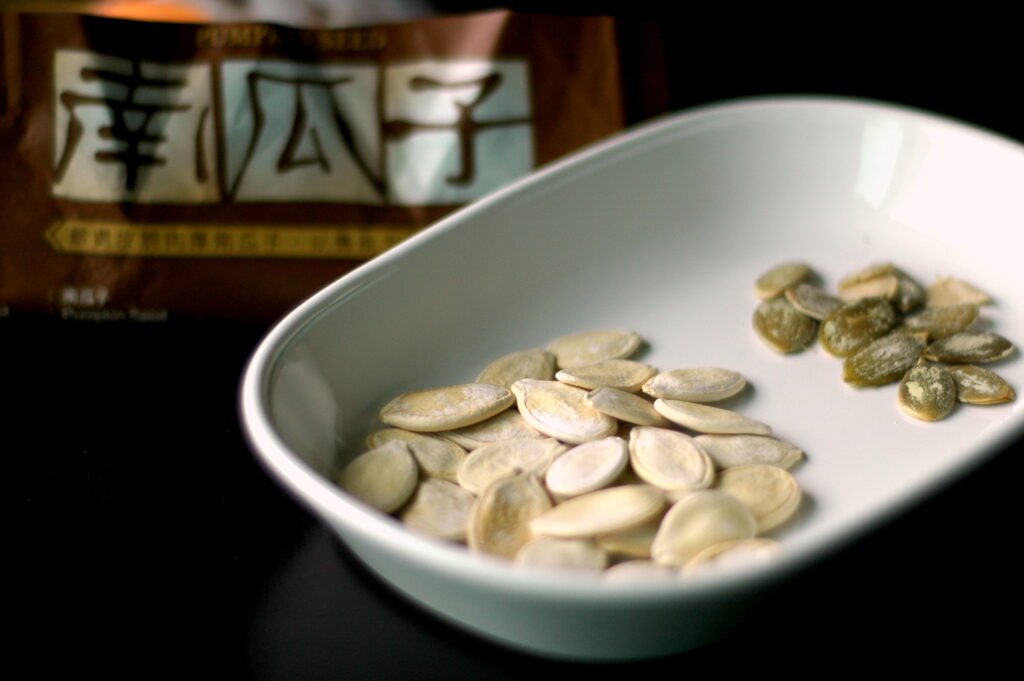
Featured image: Mk2010, Pumpkin Seeds, CC BY-SA 3.0; resized under the same license.

General nutrition education, not individualized diagnosis or treatment.
Discover more from The Secret
Subscribe to get the latest posts sent to your email.