
A bee or wasp sting may cause a small painful reaction at the site, substantial local swelling or a serious allergic reaction affecting the whole body. The immediate response depends on the person’s symptoms, the location and number of stings, and any known allergy. This guide explains how to act promptly, manage an uncomplicated local reaction and recognize circumstances that require professional care.
Move away from the insects safely. For an uncomplicated sting, remove any visible bee stinger promptly, wash the area with soap and water, and apply a cold pack wrapped in cloth for around 20 minutes. If throat swelling, breathing trouble, faintness or collapse develops, use prescribed epinephrine immediately according to the person’s action plan and call emergency services. Stings in the mouth or throat, near the eye, or multiple stings need prompt medical advice.
| Finding | Response |
|---|---|
| Uncomplicated local sting | Prompt stinger removal if visible, wash and wrapped cold pack |
| Extensive swelling or worsening symptoms | Prompt professional advice |
| Sting in mouth, throat, near eye or multiple stings | Urgent assessment; emergency care for breathing difficulty |
| Suspected anaphylaxis | Prescribed epinephrine and emergency services immediately |
Move To Safety Before Treating The Sting
The first priority is to avoid further exposure. If several insects are present or a nest has been disturbed, move calmly and promptly to a safer location when possible. A person who remains near an active nest while inspecting the skin may be exposed to additional stings. Do not attempt to remove or disturb the nest while providing first aid.
Once in a safe place, assess the person’s condition. Look beyond the sting site. Are they able to breathe normally, speak clearly and remain alert? Is there a known severe insect venom allergy? Are there symptoms elsewhere in the body? These questions can determine whether an ordinary local-care approach is appropriate.
The immediate pain of a sting can be distracting, but the severity of pain at the site does not reliably establish whether an allergic emergency is developing. A person with a seemingly small mark may still experience anaphylaxis. Conversely, substantial local swelling can occur without a systemic allergic reaction.
Our first aid preparedness guide explains why emergency contact information and appropriate supplies should be readily accessible. A person with a known venom allergy may have an individualized plan that includes prescribed epinephrine. Follow that plan and obtain emergency assistance when indicated.
If the affected person develops severe breathing or circulation symptoms, do not spend time trying to identify the species of insect. Move away from danger if possible, use the appropriate emergency treatment and call for help. The actual medical condition matters more than correctly naming the insect.
Understand Bee Stings And Wasp Stings
A sting involves the delivery of venom through an insect’s stinging apparatus. Honeybees may leave a barbed stinger and associated venom apparatus in the skin, whereas many wasps can sting without leaving the stinger behind and can sting more than once. These distinctions help explain why a visible stinger may be present in one situation and absent in another.
A retained stinger can continue delivering venom for a period after the insect has left. Prompt removal is therefore useful. However, the absence of a visible stinger does not establish that the reaction is harmless. A person who has been stung by a wasp may have no object to remove but still require urgent medical attention.
Some insect bites involve a different mechanism, including the introduction of saliva rather than venom through a sting. The appearance of the resulting skin reaction can overlap with other injuries or conditions. The appropriate response depends on symptoms and the exposure history.
Our food allergy guide discusses the distinction between an immune reaction and other types of symptoms. Insect venom allergy is a different exposure, but anaphylaxis can arise from either. An ordinary local response to venom is not automatically evidence of systemic allergy.
A person who is uncertain which insect was involved should describe what they observed without trying to catch the insect. If a photograph can be taken safely from a distance, it may provide context, but it is not required before medical help can be obtained. Focus on the response needed and avoid additional stings.
Recognize Anaphylaxis And Act Immediately
Anaphylaxis is a potentially life-threatening systemic allergic reaction. Warning signs after a sting can include swelling of the tongue or throat, difficulty breathing, wheezing, trouble swallowing, faintness, collapse or marked changes in alertness. Widespread hives and other symptoms may occur, but a rash is not required for anaphylaxis to be present.
If anaphylaxis is suspected, administer the person’s prescribed epinephrine auto-injector promptly according to their emergency plan and the device instructions. Call local emergency services immediately. Epinephrine is the first-line emergency treatment; an oral antihistamine cannot substitute for it when airway or circulation symptoms occur.
Follow emergency dispatcher instructions about positioning and further treatment. Generally, a person with suspected anaphylaxis should not suddenly stand or walk. If breathing difficulty makes lying flat difficult, the dispatcher can advise on positioning. If symptoms persist and a second dose is indicated, follow the emergency action plan and professional instructions.
If the person becomes unresponsive and is not breathing normally, begin CPR with dispatcher guidance and use an AED when available. Our collapse first aid guide explains why responsiveness and normal breathing determine the immediate response. The choking guide describes a different cause of airway obstruction. Back blows and thrusts do not treat allergic swelling.
The American Red Cross insect sting resource describes recognition of severe allergic reactions and appropriate first aid. Medical evaluation remains necessary after apparent improvement. Do not assume that relief after epinephrine eliminates the need for emergency care.
Remove A Visible Bee Stinger Promptly
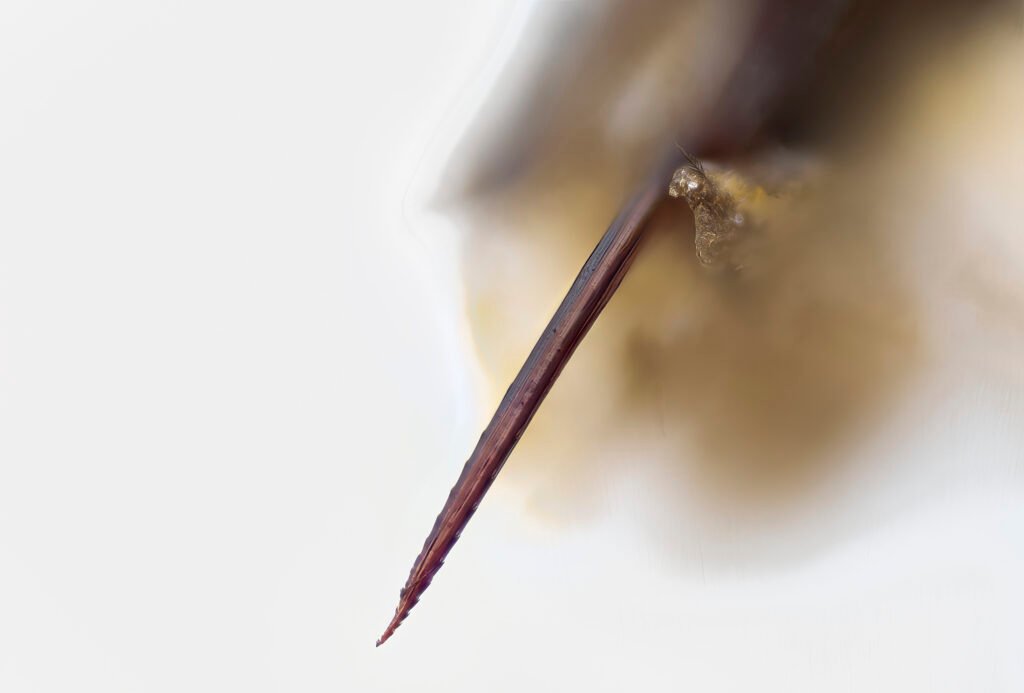
If the person has no signs requiring immediate emergency treatment, inspect the sting site for a visible retained stinger. A small dark point may be visible, although appearance varies. Prompt removal is more important than delaying while searching for an ideal tool.
The NHS describes scraping a retained sting sideways with a fingernail or the edge of a suitable card. If a stinger can be removed quickly and safely, do so without unnecessarily squeezing its attached venom apparatus. Do not cut into the skin, dig deeply with a sharp object or attempt to explore a wound that does not contain an easily accessible stinger.
If no stinger is visible, do not repeatedly probe the site. A wasp sting may leave nothing behind. If an embedded object is difficult to remove or the location is sensitive, seek appropriate advice. Stings near or involving the eye require professional assessment rather than improvised removal.
Our wound first aid guide explains the risks of unnecessary probing and the distinction between surface cleaning and treatment of a deeper injury. A retained superficial bee stinger is a particular situation; it does not justify removing other deeply embedded objects without appropriate care.
For a fictional example, a person is stung on the forearm and notices a visible stinger. A helper moves them away from the insects, checks for systemic symptoms and promptly removes the visible stinger using an appropriate scraping method. They then wash the site and monitor the person. If breathing symptoms develop at any point, the emergency response takes priority over completing the local wound care.
Wash The Area And Apply A Wrapped Cold Pack
For an uncomplicated local reaction, wash the affected skin with soap and clean water. This helps remove surface contamination. Do not vigorously scrub or apply corrosive household substances to the puncture site. The purpose is ordinary cleaning, not neutralizing the venom through a chemical reaction.
A cold pack wrapped in a clean cloth can help reduce discomfort and swelling. NHS guidance recommends applying a suitable cold compress for around twenty minutes. Avoid putting ice directly on the skin, and use particular care when sensation or circulation is impaired. Follow individualized advice if a clinician has provided different instructions.
If the sting is on an arm or leg, removing constricting jewelry early may be sensible when swelling develops and the item can be removed safely. Raising the affected limb may also help with comfort in an uncomplicated local reaction. Do not force movement of an injured or painful limb.
A pharmacist can advise about suitable nonprescription pain relief or treatment for itching when appropriate. Consider existing medicines, allergies, pregnancy, medical conditions and product instructions. Do not combine treatments indiscriminately or use oral antihistamines as a replacement for epinephrine during anaphylaxis.
Our nosebleed guide describes a different first aid situation in which a simple technique has specific limitations. Similarly, a cold pack may help local sting symptoms, but it cannot address every reaction to venom.
Monitor the person after initial care. If symptoms spread beyond the site or they develop concerning systemic symptoms, reassess the urgency rather than simply applying another cold pack. The appropriate response can change as the reaction evolves.
Distinguish Local Swelling From Systemic Symptoms
An ordinary local reaction is generally confined to the area near the sting. Pain, itching, redness or other skin color changes and swelling can occur. The appearance varies with skin tone, location and individual response. A visible red mark is not required for a local reaction.
A larger local reaction may involve swelling extending well beyond the immediate puncture site, for example across a substantial area of a limb. It can be uncomfortable and may develop over time. The size alone does not establish that anaphylaxis is occurring, but extensive swelling, significant pain or impaired function warrants appropriate medical advice.
Systemic symptoms involve areas or functions beyond the local reaction. Breathing or swallowing difficulties, faintness, collapse, widespread hives or other concerning changes after a sting require prompt assessment. Suspected anaphylaxis needs immediate epinephrine according to the action plan and emergency medical assistance.
A fictional adult develops substantial swelling around a sting on the hand. They remain alert, breathe normally and have no other symptoms. They contact a healthcare professional because swelling affects hand movement. Another adult develops a small local mark followed by throat tightness. The second situation requires immediate emergency care despite the smaller visible reaction.
Our hand function guide discusses how several structures contribute to ordinary hand use. Do not test an injured or swollen hand by repeatedly squeezing objects to see whether strength remains normal.
The key distinction is the person’s overall condition. Do not rely on a ruler measurement of swelling, a photograph or an internet comparison to decide that breathing or circulation symptoms are harmless. A change in symptoms requires a change in the response.
Know When A Sting Needs Medical Assessment
Even when there are no obvious signs of anaphylaxis, certain circumstances require prompt professional advice. A sting inside the mouth or throat can create concern because local swelling may interfere with the airway. Stings near the eye can require specialized assessment. Multiple stings can also increase medical risk and should be discussed promptly with a healthcare service.
Seek urgent advice if symptoms worsen, swelling becomes extensive, the affected area becomes unusually painful or the person has other concerning symptoms. A history of severe venom allergy should be managed according to the individualized emergency action plan. Do not wait for a reaction to become severe before following an established plan.
Persistent or increasing warmth, swelling, pain, discharge or fever can indicate a need for infection assessment. A local inflammatory reaction may itself produce some similar features, so a photograph is not enough to establish whether infection is present. A clinician can evaluate the timing, appearance and associated symptoms.
Our dehydration guide discusses why symptoms such as dizziness and weakness have multiple possible explanations. After a sting, do not automatically attribute faintness to heat, anxiety or inadequate fluids. Circulation symptoms can be part of a serious allergic reaction.
When contacting a healthcare service, explain when the sting occurred, its location, whether there were multiple stings, what first aid has been provided and any known allergy. Include the name and timing of any medication used. These facts help the healthcare team determine the appropriate level of care.
If severe breathing difficulty, collapse or other emergency signs occur, call emergency services immediately. A routine appointment or a delayed review is not the appropriate response to suspected anaphylaxis.
Avoid Unreliable Remedies And Unnecessary Skin Damage
Many household remedies are promoted as ways to remove venom or instantly neutralize a sting. The actual chemistry and clinical effect are not established simply because a substance is acidic or alkaline. Avoid applying corrosive cleaners, undiluted chemicals or unfamiliar mixtures to broken skin.
Do not attempt to suck venom from the puncture, burn the area, make an incision or repeatedly squeeze the tissue. Such actions can cause additional injury or introduce contamination without providing reliable treatment. Prompt removal of a visible superficial bee stinger and ordinary local care are different from attempting to extract venom from tissue.
Avoid scratching the area repeatedly. Scratching can damage the skin and make it harder to assess the reaction. If itching is difficult to manage, seek appropriate pharmacist or medical advice about a suitable product rather than using several topical substances simultaneously.
The Mayo Clinic first aid resource discusses measures for mild local reactions and circumstances requiring emergency care. Follow the instructions appropriate to the actual situation, particularly when there is a known allergy.
Our wound care guide emphasizes the importance of protecting injured skin and avoiding unnecessary probing. In the case of a sting, the same practical principle applies after a visible stinger has been removed.
A useful home response should remain simple and should not delay professional care. If the reaction is more extensive than expected or the person’s condition changes, obtain assessment rather than adding more remedies. Severe systemic symptoms require emergency treatment regardless of what has already been applied to the skin.
Reduce Future Exposure And Prepare For Known Allergies
When eating outdoors or spending time near flowering plants, waste containers or other areas where insects may be present, consider practical precautions. Keep food and drinks covered when possible, check open containers before drinking and avoid deliberately disturbing nests. Suitable clothing and footwear may reduce some exposure risks, but no precaution eliminates all possibility of a sting.
If a nest creates a hazard near a home or workplace, seek appropriate professional assistance instead of attempting to disturb it without the necessary knowledge and equipment. Insect behavior and local conditions vary. The safest action depends on the actual environment.
A person who has experienced a systemic allergic reaction after a sting should discuss follow-up with an appropriate healthcare professional. Specialist allergy assessment may help determine the relevant diagnosis, emergency medication needs and whether venom immunotherapy or another intervention is appropriate. Do not deliberately expose yourself to another sting to check whether the reaction recurs.
Our household first aid guide explains how emergency plans and supplies can be organized. If epinephrine has been prescribed, learn to use the actual device, check expiry and storage instructions, and make sure the medication is accessible. Share the action plan with people who may need to assist.
A practical response combines avoidance of further exposure, prompt recognition of dangerous symptoms, appropriate local care and timely medical follow-up. For uncomplicated stings, washing and a wrapped cold pack can be helpful. For anaphylaxis, immediate emergency treatment is essential. The aim is to respond to the person’s condition rather than assume every insect sting will follow the same course.
Frequently Asked Questions
Do bees always leave a stinger?
Honeybees may leave a stinger, but not every insect sting leaves a visible object.
How do I remove a visible bee stinger?
Remove it promptly using an appropriate method, such as gently scraping sideways with a card. Do not dig into the skin.
Can a small sting cause anaphylaxis?
The size of the local reaction does not rule out a serious systemic allergic reaction.
What should I do if throat swelling develops?
Treat suspected anaphylaxis with prescribed epinephrine and call emergency services immediately.
Can antihistamines replace epinephrine?
Antihistamines cannot replace epinephrine for anaphylaxis.
How long should I apply a cold pack?
For an uncomplicated sting, a cloth-wrapped cold pack for around twenty minutes may help.
Should I seek care for multiple stings?
Obtain prompt medical advice, especially for concerning symptoms, multiple stings or sensitive locations.
- NHS: Insect Bites And Stings
- American Red Cross: Insect Bites And Stings
- Mayo Clinic: Insect Bites And Stings First Aid
- NHS: Anaphylaxis
Featured image: Fedaro, Bee Stinger, CC BY-SA 4.0; resized under the same license. Macro photograph.

General first aid education; follow emergency dispatcher instructions and individualized medical advice.
Discover more from The Secret
Subscribe to get the latest posts sent to your email.